
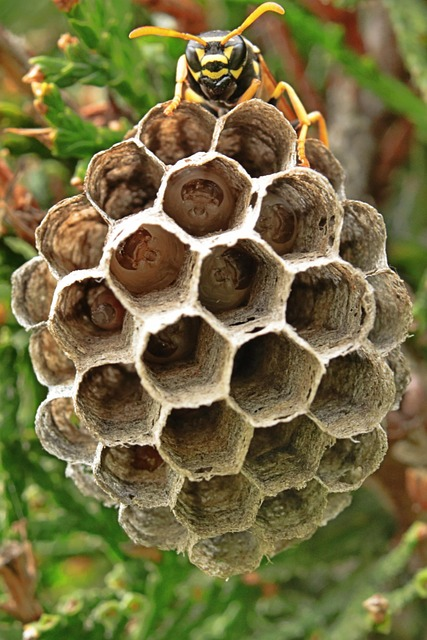
A lot of apex predators get a negative reputation such as Great White sharks, American Alligators, and Wasps! Although they are technically apex predators in microecosystems, specifically the insect ones, they still reign supreme. It’s easy to label wasps as pests that seemingly do nothing except survive, but when we dive deeper, we can gain a new understanding of their importance in our ecosystems.
So, what do wasps do for the ecosystem around us? Like how most apex predators help keep the populations beneath them in check, that’s exactly what wasps do to insect populations that could be harmful to various crops. From Aphids which spread viruses to vegetables and grains, to grasshoppers which can destroy pastures and crops, wasps actively hunt them along with a larger multitude of pests to feed their larvae.
They are also accidental pollinators! As previously discussed, the wasps feed all the insects they hunt for the larvae for their development. So, what do the adult wasps eat? They either consume a sweet saliva that the larvae produce after being fed, or they consume the sweet nectar that flowers produce. Like how bees pollinate flowers, when a wasp stops to feed at a flower, pollen gets attached to their appendages and thus gets rubbed off on the next flower that they so happen to visit next. While bees are more specialized as effective pollinators because of the hairs, they are covered with that more successfully carries the pollen, they still aid hundreds of plant species pollinate!
If wasps are so beneficial to our ecosystem, why are they so aggressive towards humans? Like most species on Earth, they are highly protective of their home and food supplies. Wasps like Yellow Jackets are notorious for defending their nest which houses their queen and larvae. If they feel you’re too close, or perceive your movements as an attack, they will likely try to sting you. If they manage to be successful and land a sting on you, or if you manage to kill them, they release pheromones when they sting or die which acts as a distress signal that would alert other nearby wasps to its location.
So, what should be done when encountering a wasp? The most important thing you can do is to remain as still as you can, so the wasp doesn’t perceive one of your motions as a threat. If there’s a nest on your property, then you could call the National Pest Management Association for tips on what to do or for professional removal options! There are a large variety of wasp types, but at the end of the day they all just want to do what they can for their larvae and survival.
Resource à https://www.nhm.ac.uk/discover/what-do-wasps-do.html