South Florida’s ecosystems are under growing pressure from invasive reptiles, and much of the problem starts with people. The exotic pet trade remains the primary pathway—when owners release pets, intentionally or not, those animals can establish and spread in Florida’s favorable climate.
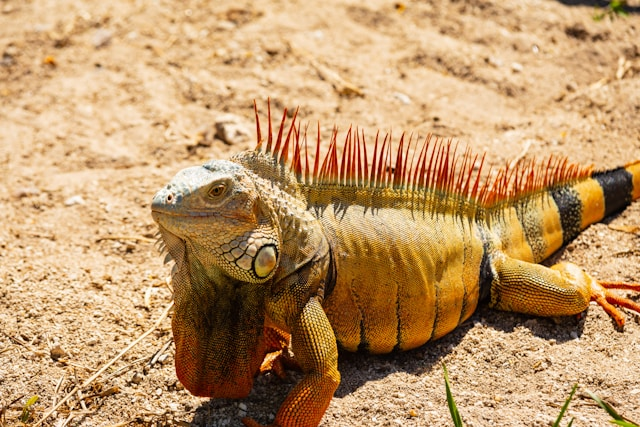
More than fifty non-native reptile species now live in South Florida. While not all are harmful, species like Burmese pythons, green iguanas, and tegus cause significant ecological damage and are considered invasive.
If you encounter one, stay calm and keep your distance—especially with large species. If it’s safe, take a photo and report it using the IveGot1 app or by calling 1-888-IVE-GOT1. Never attempt to capture the animal; that is dangerous and should be left to trained professionals.
Prevention starts with personal responsibility. If you choose to own an exotic pet, research its needs before bringing it home and commit to caring for it for its entire life. When circumstances change, rehome the animal responsibly—never release it into the wild. If you need help, contact the Florida Fish and Wildlife Conservation Commission’s Exotic Pet Amnesty Program.
Invasive species are a human-driven problem, which means they require human accountability. Responsible choices—before and after pet ownership—are the most effective way to protect Florida’s ecosystems.
https://myfwc.com/wildlifehabitats/nonnatives/rule-development
https://www.fws.gov/story/2025-05/managing-invasive-reptiles-south-florida