Driving Toward a Greener Future: What is Eco-Driving?

When we think about climate change, one of the first culprits that comes to mind is the car. Automobiles have transformed the way we live, work, and travel, but they’ve also left a heavy mark on our planet. The transportation sector is now one of the largest contributors to greenhouse gas emissions worldwide, accounting for nearly 29% of U.S. emissions according to the Environmental Protection Agency (EPA). Most of this comes from the burning of gasoline and diesel, which releases carbon dioxide and other pollutants into the atmosphere. These emissions trap heat, drive global warming, and intensify the effects of climate change.

While electric vehicles are on the rise, the majority of cars on the road still run on fossil fuels. This begs the question: what can we do in the meantime to reduce our impact? The good news is that solutions exist at both the community level and the individual level, and many are easier to adopt than we think. Reducing our reliance on cars altogether is one of the most effective ways to cut emissions. Cities around the world are proving that well-planned urban design can create greener, healthier communities. One outlet where this can be seen is through affordable and accessible public transportation. Buses, trains, and subways move large numbers of people while producing far fewer emissions per passenger than cars. For example, research from the American Public Transportation Association shows that taking public transit can reduce an individual’s carbon footprint by up to 30% compared to driving alone.

Another example of an environmentally friendly urban design is a walkable city. Many European cities like Copenhagen and Amsterdam have invested in infrastructure that prioritizes pedestrians and cyclists over cars. These efforts don’t just cut emissions, but they also improve public health and make communities more vibrant. Cities like Portland,

Oregon and Minneapolis, Minnesota are building bike-friendly networks, while others are redesigning streets to encourage walking and public transit over personal vehicles.

Urban planning on this scale takes time and investment. But while we push for those changes, there are things each of us can do today to drive in more eco-friendly ways. Enter eco-driving: a practical, everyday solution that helps drivers reduce fuel consumption, save money, and cut emissions without giving up their cars. According to AAA, eco-driving is defined as adopting habits that make your car run more efficiently. Here are some of the most impactful strategies they mention:

· Accelerate and brake smoothly: Rapid starts and stops burn more fuel. Driving steadily can improve fuel economy by up to 40% in stop-and-go traffic (U.S. Department of Energy).

· Maintain proper tire pressure: Under-inflated tires increase resistance, making your car work harder and burn more gas.

· Combine trips: Cold engines are less efficient; grouping errands reduces unnecessary starts and miles driven.

· Avoid idling: Cars consume fuel even when standing still. Turning off the engine saves money and emissions.

· Use vehicle technology: Many modern cars offer fuel economy displays and eco-modes to help drivers maximize efficiency.

These changes may seem small, but they add up quickly. Studies show that eco-driving techniques can cut fuel consumption by 10–20%, which also lowers emissions by the same amount.

Eco-driving is not the one magic solution, but it is a way for us to make a difference right now while larger systemic changes take hold. Combined with investments in public transit, pedestrian-friendly urban design, and the adoption of electric vehicles, eco-driving gives us a practical path forward. By embracing more sustainable choices, whether that’s hopping on a bus, biking to the store, or easing off the gas pedal, we can all help drive toward a greener future.

Sources

· Environmental Protection Agency (EPA). Sources of Greenhouse Gas Emissions. https://www.epa.gov/ghgemissions

· American Public Transportation Association. Public Transportation Reduces Greenhouse Gases. https://www.apta.com

· AAA Auto Club Group. What Is Eco-Driving? https://www.acg.aaa.com/connect/blogs/4c/auto/what-is-eco-driving

· U.S. Department of Energy. Driving More Efficiently. https://www.fueleconomy.gov

· MIT Research: Barth, M. et al. (2019). Transportation Emissions and Urban Air Quality Studies. MIT Energy Initiative.

Meet the Honey Bee! Celebrating Honey Bees on National Honey Bee Day

On Friday, August 22, 2025, we celebrate National Honey Bee Day, a time to recognize one of the world’s most important pollinators. Honey Bees are more than just the buzzing insects we see in our gardens. They are essential workers in our ecosystems and our food systems.

Honey bees belong to the genus Apis, with the European honey bee (Apis mellifera) being the most widespread species in the United States, including here in Florida. Globally, there are seven recognized species of honey bees and over 40 subspecies, though Apis mellifera is the one most familiar to us. Beyond honey bees, the world is home to more than 20,000 species of bees altogether, many of which also play vital roles in pollination. Here in Florida, we most often see the European honey bee, but other native pollinators, like bumble bees, sweat bees, and carpenter bees, also contribute to keeping our plants thriving.

The name “honey bee” comes from their unique ability to produce and store honey, a food source they create by transforming nectar. This sweet substance has not only sustained bee colonies for countless generations, but has also been harvested and cherished by humans for thousands of years.

Honey bees are vital to both the environment and humanity. Honey bees and other pollinators help fertilize flowering plants by transferring pollen, which allows plants to reproduce. This process supports biodiversity and provides food sources for countless animals. For humans, roughly one-third of the food we eat depends on pollination, including fruits, vegetables, and nuts. Beyond food, bees contribute to crops like cotton, which is necessary for clothing. And of course, they gift us honey, beeswax, and other valuable products that many people utilize every day. Without honey bees, the ripple effect on ecosystems and agriculture would be enormous.

This National Honey Bee Day, you can do more than just appreciate bees; you can also take part in protecting them! On August 22, 2025, Broward County will host The Great Southeast Pollinator Census at the Broward County Extension FFL Butterfly Garden. The event is hosted by UF/IFAS Extension & Florida Master Gardener Volunteers and takes place from 9:00am to 12:00pm. This event invites community members to become citizen scientists for the day by counting and recording pollinators. It’s a hands-on way to learn about the bees, butterflies, and other insects that keep our ecosystems healthy while contributing valuable data to regional conservation efforts. Follow the link below to learn more!

Honey bees are a symbol of hard work, cooperation, and the interconnectedness of nature. On National Honey Bee Day, let’s celebrate their contributions, support local conservation efforts, and do our part to ensure these tiny pollinators continue to thrive.

A Favorite Summer Pastime

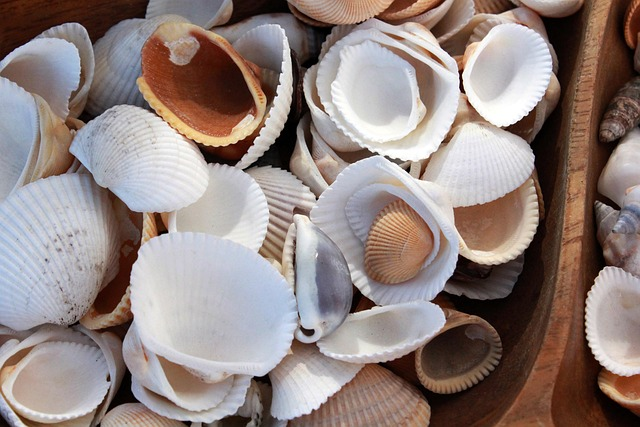
 Every summer, beaches across Florida are crowded with vacationers cooling off from the hot summer temperatures. A time-honored pastime of beachgoers is collecting seashells.  Seashells are made primarily of calcium carbonate, the same substance found in chalk, limestone, mortar, concrete, and some paints. Mollusks—soft-bodied marine animals like snails, clams, and octopuses—extract calcium carbonate from seawater and build their shells layer by layer, much like how trees form rings. This process creates the intricate spiral and fan-like patterns that make seashells both functional and beautiful. 

Shell Shapes and Colors 

Shells come in a wide variety of shapes and styles, such as: 

  • Conch shells – known for their large, spiral form. 
  • Scallop shells – fan-shaped with ridged lines. 
  • Cowries – smooth, glossy, and oval-shaped. 
  • Augers and Turrets – long and slender with tight spirals. 

Their colors are influenced by: 

  • Pigments produced by the mollusk. 
  • Diet (e.g., algae or plankton). 
  • Environmental factors like water temperature and salinity. 
  • Shell structure and genetics. 

Shell Collection and Safety 

Only empty shells should be collected. Shells with living organisms are protected and cannot be sold or taken. Some species are also dangerous to handle: 

  • Conus textile – can sting multiple times with venom. 
  • Conus striatus oahuensis – has the longest stinging barb. 
  • Conus bandanus – another venomous cone snail. 

Fun and Fascinating Facts 

  • Ancient currency: Cowrie shells were used as money in parts of Africa, Asia, and the Pacific Islands. 
  • Right-handed shells: Most seashells spiral to the right (dextral), though rare left-handed (sinistral) shells exist. 
  • Fossil records: Some seashells date back hundreds of millions of years, offering clues about Earth’s history. 
  • Unique DNA: Each mollusk species has its own genetic blueprint that determines shell shape, size, and color. 
  • Natural filters: Some mollusks, like oysters and mussels, help clean ocean water by filtering out pollutants. 
  • Shell reuse: Hermit crabs use discarded shells for protection, often switching as they grow. 
  • Cultural significance: Shells have been used in jewelry, tools, religious rituals, and art across many cultures. 

Florida’s Wild Parrots: A Colorful Legacy with Complicated Consequences

Florida’s vibrant parrot populations—primarily Quaker parrots, ring-necked parakeets, and conures—are a living legacy of the exotic pet trade. Over the decades, escaped or released birds have found a welcoming home in the state’s tropical climate, where they’ve not only survived but thrived.

These highly social and intelligent birds have adapted remarkably well to urban life. They build communal nests in palm trees and utility poles, forage from backyard fruit trees, and flock to bird feeders, adding a splash of color and a chorus of chatter to neighborhoods across the state.

But their presence isn’t without challenges. Parrots compete with native bird species for nesting sites and food, sometimes displacing them. Their large, stick-built nests can damage electrical infrastructure, leading to costly repairs and service disruptions. Additionally, like other wildlife, they can carry and transmit diseases.

While many residents enjoy the spectacle—bright feathers against blue skies and lively calls echoing through city streets—utilities and wildlife managers face a more complex reality, unlike feral cats, which are often managed through coordinated programs, Florida’s parrots are subject to fragmented control efforts. These range from nest removals to ongoing monitoring by researchers trying to understand their ecological impact.

Ultimately, Florida’s parrots are a vivid example of globalization’s unintended consequences and nature’s resilience. They embody a delicate balance between urban wildness and ecological responsibility, reminding us that even beauty can come with a cost.

Florida’s Feral Cat Crisis: Balancing Compassion with Conservation

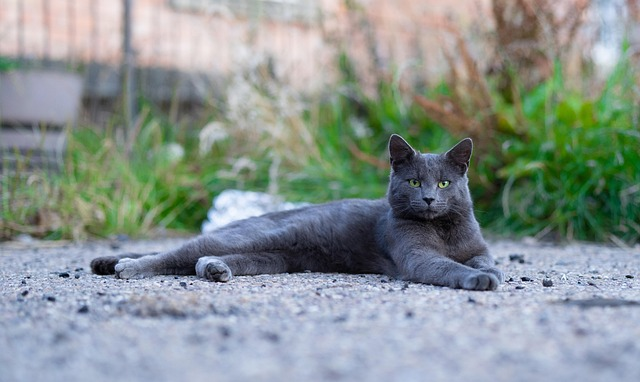
Florida’s growing population of feral and free-roaming cats has evolved from a curious urban feature into a pressing ecological and public health challenge. Fueled by the state’s warm, humid climate—which allows cats to breed and survive outdoors year-round—and human behaviors like abandonment and unregulated feeding, the issue has reached critical mass.

These cats often form colonies, loosely woven into the fabric of urban and suburban ecosystems. While some residents view them as charming neighborhood fixtures, their impact on native wildlife is profound. Outdoor cats are prolific hunters, preying on ground-nesting birds, reptiles, and small mammals. This disrupts local food webs and threatens vulnerable species, some of which are already under pressure from habitat loss.

Beyond ecological concerns, feral cats pose public health risks. They can transmit diseases such as toxoplasmosis, rabies, and parasites like fleas and intestinal worms—affecting both humans and other animals. Animal shelters, overwhelmed by intake numbers, face heartbreaking decisions, with high euthanasia rates and limited resources to implement long-term solutions.

Trap-Neuter-Return (TNR) programs have emerged as the most humane and widely accepted method for managing feral cat populations. These initiatives aim to stabilize colonies by preventing further reproduction, but they require significant funding, volunteer support, and public education to be truly effective.

Unfortunately, Florida’s legislative response remains fragmented. There is no statewide spay/neuter mandate, and policies vary widely between municipalities. This lack of consistency hampers coordinated efforts and leaves many communities without the tools they need to address the crisis.

The abundance of outdoor cats in Florida presents a moral and logistical dilemma: how do we care for individual animals while safeguarding native ecosystems and public health? The answer lies in community-wide collaboration, responsible pet ownership, policy reform, and a shift from passive tolerance to active stewardship.


Why Are Peacocks Invasive to Florida?

Peacocks are native to SE Asia, Africa, and India, but not to the Americas. Brought to Florida as pets or tourist attractions, these birds eventually escaped or were released into the wild. Because these avian creatures are so overpopulated within some Floridian landscapes, they have become both a tourist attraction and a pest. Although male peacocks are very beautiful, both the female peahens and males can be very destructive to personal property, messy and aggressive.

Peacocks seem to thrive in Florida due to its mild climate, lack of predators and wealth of  insects, leaves and small animals to eat. However, peacocks, or commonly known as peafowl (when referring to both male and female birds), are not officially on the invasive list and are protected by the Florida Fish and Wildlife Conservation Commission from inhumane treatment. Contact your county animal control office for acceptability removal options.

Fun facts: group of peacocks is called a harem, peacocks can fly, peacocks also eat figs as apart of their diet, can be destructive to cars and other property during mating season when they become aggressive, peacocks use their feathers to scare off predators like coyotes and bobcats

How to protect your yard from peacocks

Florida’s Native Animals: Guardians of Biodiversity 

Florida is a land of diverse ecosystems, from the swaying sawgrass of the Everglades to the sun-drenched shores of the beaches. At the heart of these ecosystems are Florida’s native animals- species that have evolved and thrived in this region for thousands of years. These animals are not just residents of the Sunshine State; they are essential to maintaining the delicate balance of its natural world. 

What Are Native Animals? 

Native animals are species that occur naturally in a particular region, ecosystem, or habitat without human introduction. In Florida, this includes a wide range of creatures—from the iconic Florida panther to the elusive gopher tortoise, and from the colorful roseate spoonbill to the tiny Key deer. 

These animals have adapted to Florida’s unique climate, vegetation, and seasonal patterns. Their presence is a result of natural processes like evolution, migration, and ecological interactions over millennia. 

Why Are Native Animals Important? 

Native animals play a crucial role in maintaining biodiversity, which refers to the variety of life in a particular habitat or ecosystem. Here’s why they matter: 

1. Ecosystem Balance 

Each native species has a role—whether it’s a predator controlling prey populations, a pollinator helping plants reproduce, or a scavenger cleaning up organic waste. For example: 

  • Alligators help maintain wetland ecosystems by creating “gator holes” that provide water for other animals during dry periods. 
  • Gopher tortoises dig burrows that offer shelter to over 350 other species. 

2. Resilience to Change 

Ecosystems with high biodiversity are more resilient to environmental changes, such as hurricanes, droughts, or disease outbreaks. Native species are better adapted to local conditions and help stabilize ecosystems during times of stress. 

3. Cultural and Economic Value 

Many native animals are symbols of Florida’s natural heritage and attract millions of tourists each year. Birdwatchers, kayakers, and wildlife photographers all contribute to the state’s economy while appreciating its native fauna.  

The Threat of Invasive Species 

Florida’s native animals face serious threats from invasive species—non-native animals and plants that disrupt local ecosystems. For instance: 

  • The Burmese python, introduced through the exotic pet trade, preys on native mammals and birds in the Everglades. 
  • Lionfish, with no natural predators in Florida waters, outcompete native fish for food and habitat. 

Protecting native species means controlling these invaders and restoring natural habitats. 

How You Can Help 

  • Support conservation efforts: Donate to or volunteer with organizations that protect Florida’s wildlife 
  • Plant native vegetation: Native plants support native insects and birds. 
  • Be a responsible pet owner: Never release exotic pets into the wild. 
  • Educate others: Share the importance of native species with your community. 

Florida’s native animals are more than just part of the scenery—they are the lifeblood of its ecosystems. Sawgrass Nature Center and Wildlife Hospital is dedicated to increasing the public’s understanding of native species through environmental education and protecting them through our rehabilitation and release efforts ensuring that Florida’s wild beauty endures for generations to come. 

Leave No Trace at Florida’s National Parks!

Florida is home to some of the most unique and ecologically diverse national parks in the United States. From vast wetlands to remote islands, these protected lands serve as vital sanctuaries for wildlife, stunning landscapes for visitors, and crucial ecosystems that help maintain the balance of nature. Let’s take a closer look at Florida’s national parks, the species they protect, and why safeguarding these natural treasures is so important.

Everglades National Park, arguably the most notable of Florida’s national parks, was established in 1947. The Everglades is the largest tropical wilderness in the U.S. and the only subtropical preserve in North America. It was designated as a national park to protect its unique wetland ecosystem from drainage and development. This vast network of sawgrass marshes, cypress swamps, and mangrove forests supports an incredible range of species, including the endangered Florida panther, American alligator, West Indian manatee, and a rich diversity of wading birds. The Everglades is also a critical stopover for migrating birds and plays a key role in maintaining South Florida’s water quality.

Biscayne National Park, a popular Floridian tourist attraction, was established in 1980. This park was established to preserve one of the most extensive coral reef systems in the U.S. and the rich marine habitat of Biscayne Bay. Over 95% of the park is water, with mangrove shorelines, seagrass beds, and coral reefs teeming with marine life. Visitors can spot dolphins, sea turtles, manatees, and more than 500 species of fish. The park also protects shipwrecks from Florida’s maritime history, making it a top destination for divers and snorkelers.

Dry Tortugas National Park, another marvel of Florida’s natural world, was established in 1992. Dry Tortugas was designated as a national park to protect its fragile coral reef ecosystems and the historic Fort Jefferson, one of the largest 19th-century forts in the U.S. Located 70 miles west of Key West, this park consists of seven small islands surrounded by crystal-clear waters and vibrant coral reefs. It is an essential nesting site for seabirds and a refuge for sea turtles, nurse sharks, and an array of tropical fish. The pristine waters and historic significance make Dry Tortugas a remarkable place for exploration.

National parks are more than just beautiful landscapes; they are critical to preserving biodiversity, combating climate change, and providing opportunities for education and recreation. Florida’s national parks protect fragile ecosystems that would otherwise be threatened by development, pollution, and climate-related impacts such as rising sea levels.

By supporting conservation efforts, practicing responsible tourism, and advocating for continued protection, we can ensure that these natural wonders remain intact for future generations to enjoy. Whether you’re exploring the Everglades or snorkeling in Biscayne Bay, Florida’s national parks offer an opportunity to connect with nature and witness the beauty of the wild firsthand. When exploring these natural wonders, always remember to leave no trace behind!

How to Help on this Endangered Species Day!


On the third Friday of every May, Endangered Species Day is recognized as a time to reflect on the fragile beauty of our planet’s wildlife and the urgent need to protect it. Here in Florida, we are lucky to share our landscape with some of the most unique, and highly threatened, species in the country. From the secretive Florida panther to the slow-moving manatee, our native wildlife isn’t just iconic, it’s essential. 

Endangered Species Day is a nationwide effort to raise awareness about the plants and animals that are at risk of extinction. It’s a time to learn, reflect, and take action to support conservation efforts, both locally and globally. Whether it’s through school programs, community clean-ups, or simply sharing knowledge, this day reminds us that protecting endangered species is a responsibility we all share. 

Florida is one of the most biologically diverse states in the U.S., and also one of the most vulnerable. More than 130 species in Florida are listed as federally threatened or endangered, and many more are considered at risk at the state level. Here are just a few these species that call Florida home: 

The Florida Panther, once nearly extinct, is an elusive big cat that still struggles with habitat loss, vehicle collisions, and genetic isolation. Only about 200 remain in the wild. The West Indian Manatees are gentle giants that face threats from boat strikes, algal blooms, and habitat degradation. Though populations have rebounded somewhat, they remain vulnerable. The Kemp’s Ridley Sea Turtle is the world’s rarest sea turtle and is known for nesting on some of Florida’s beaches. Despite conservation efforts, their numbers remain critically low. The Red-cockaded Woodpecker, dependent on mature pine forests, has suffered from decades of logging and land conversion. Just to name a few, each of these species plays a role in keeping Florida’s ecosystems balanced and healthy. 

Despite these growing concerns, many people are still wondering, why does this matter to us? However, protecting endangered species isn’t just about saving wildlife. It’s about preserving the health of our planet and the quality of our own lives. Every species contributes to its environment. Removing even one can set off a chain reaction that affects plants, animals, and people. Healthy ecosystems also provide clean air, water, and fertile soil, which are all things we depend on. Finally, wildlife-related tourism brings billions of dollars to Florida each year. Our natural heritage supports jobs and communities. When a species disappears, it’s not just a loss for science or biodiversity, but a loss for all of us.  

Although it can sometimes feel like it, we’re not powerless. Whether you live in Florida or elsewhere, there are many meaningful ways to make a difference. Supporting habitat conservation efforts, being a responsible visitor by leaving no trace behind, reducing your environmental impact, educating yourself and others are all great ways to get involved in conservation. 

Endangered Species Day reminds us that we’re part of a much bigger story, one in which every species, no matter how small, plays a vital role. The choices we make today determine what kind of world we’ll leave behind. Let’s make it one where Florida’s wildlife can thrive! 

Misunderstood Masked Mammals: The Florida Raccoon

When most people think of raccoons, they picture clever little bandits raiding trash cans or prowling suburban streets after dark. But in Florida’s unique and complex ecosystems, raccoons are far more than neighborhood thieves. They’re actually vital contributors to the health and balance of native habitats, like mangrove forests.

Mangrove ecosystems line much of Florida’s coasts, especially in the southern part of the state. These brackish, tangled forests offer critical protection against storm surges, serve as nurseries for fish and crustaceans, and filter water naturally. One commonly overlooked fact about mangrove forests is that they’re also home to the beloved raccoon species (Procyon lotor).

Unlike their urban counterparts, mangrove-dwelling raccoons have adapted to life in the swamp. Agile climbers and excellent swimmers, they make use of the mangroves’ dense root systems to hunt, forage, and evade predators. Their omnivorous diet means they feed on a wide range of food sources: crabs, insects, small fish, fruits, and even bird eggs. This opportunistic feeding helps regulate populations of various species and contributes to a dynamic, balanced ecosystem.

Raccoons have long had a bad reputation as pests or scavengers, often associated with disease or mischief. But many of these perceptions are based on critical misunderstandings, especially when applied to wild raccoons in natural habitats. In the wild, raccoons are active and adaptable foragers. While they can carry diseases like rabies, transmission to humans is rare with proper wildlife precautions. In fact, raccoons in healthy, intact ecosystems tend to pose very little threat to people or domestic animals.

As coastal development and climate change continue to threaten Florida’s mangroves, the wildlife that depend on them (including raccoons) face growing pressure. Coastal construction, pollution, and rising sea levels all take a toll on these fragile ecosystems. Protecting mangroves means protecting raccoons, and vice versa. Educating the public about the important role raccoons play can help shift attitudes and encourage support for habitat conservation. The more we understand these resourceful mammals, the more we appreciate their place in Florida’s wild landscapes.

Next time you’re near the coast and spot a raccoon scurrying through the roots of a mangrove tree, consider the vital role it plays. It’s not just a curious critter — it’s a key part of Florida’s coastal ecology.