It’s Baby Season! Florida’s Late Winter Surprises

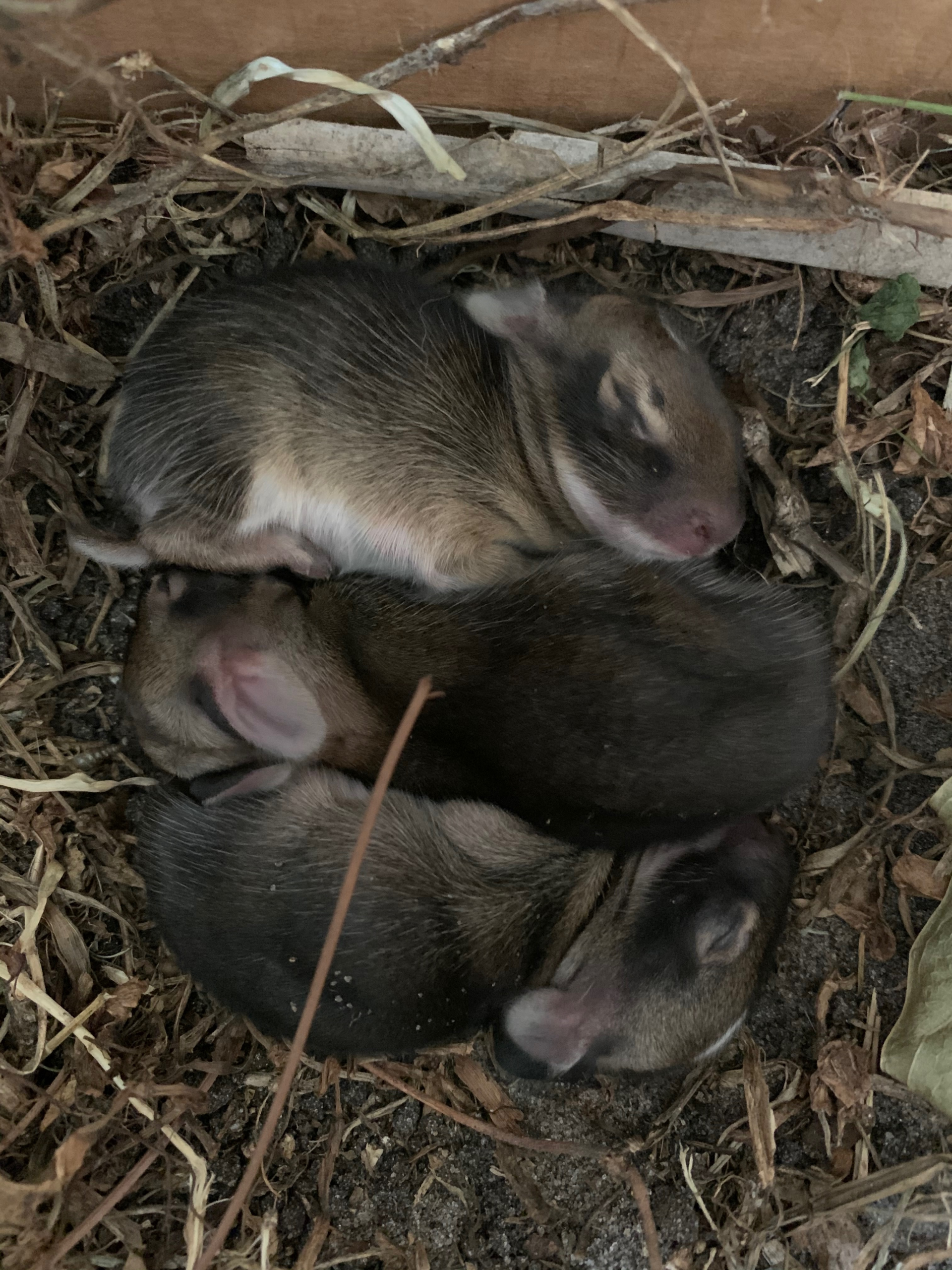
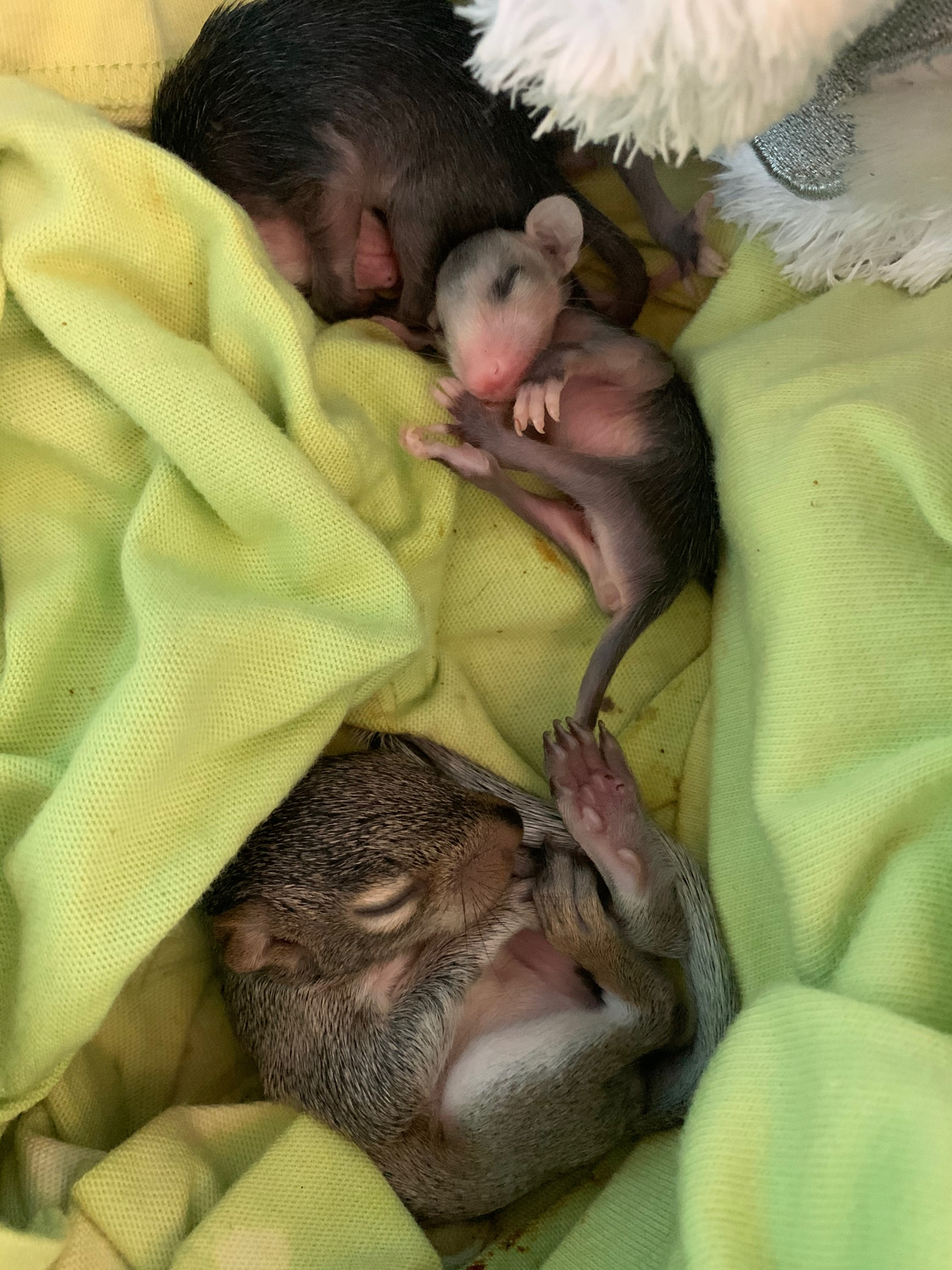
While winter in Florida may feel quiet, a lot is happening just out of sight. Late winter and early spring mark the beginning of nesting season for many of Florida’s small mammals. This includes animals like raccoons, squirrels, opossums, and rabbits. As temperatures slowly warm and food becomes more available, these animals begin preparing for their busiest time of year.

There are several familiar Florida mammals that welcome their young surprisingly early in the calendar year. Eastern gray squirrels often have babies between January and March, nesting high in trees or tucked into tree cavities. Raccoons typically give birth from February through April, choosing hollow trees, abandoned burrows, or even attics and crawl spaces. Opossums can have young almost year-round in Florida, but activity increases in late winter as conditions improve. Cottontail rabbits begin breeding early, with babies appearing by late winter and continuing into spring. Because these animals nest quietly and keep their young hidden, many people don’t realize how active this season truly is.

While so many states hunker down for the harshest parts of winter, Florida’s mild winters give wildlife a head start. Earlier nesting allows young animals more time to grow, learn survival skills, and take advantage of spring’s increased food sources. By the time hotter summer temperatures arrive, many babies are already independent or close to it. This timing is especially important for mammals that rely on trees, brush piles, and undisturbed spaces for shelter.

As baby season begins, human-wildlife interactions often increase. And it is important that members of the community know how to respond appropriately. You may notice things like more animal movement as parents forage for food, noises from attics or trees as animals nest, and even young animals appearing alone but not necessarily abandoned. If you want to help, a few small actions can make a big difference. Avoid trimming trees or removing brush during late winter and early spring, check your yard carefully before mowing, and keep pets leashed to prevent accidental encounters.

If you find a baby animal, it’s best to observe from a distance. In many cases, the parent is nearby. Removing animals unnecessarily can do more harm than good. If an animal truly appears injured or orphaned, you can always contact your local wildlife animal hospital (like the Sawgrass Nature Center!) before interacting with or touching the animal to seek further guidance.

Florida’s winter may feel calm to us, but for wildlife, it’s the start of new life. As nesting and baby season gets underway, giving animals space and understanding helps ensure that Florida’s small mammals get the best possible start. The next time you spot a squirrel darting through the trees or a raccoon out during the day, you may be witnessing the early signs of a brand-new generation.

A Manatee’s Refuge for the Winter!

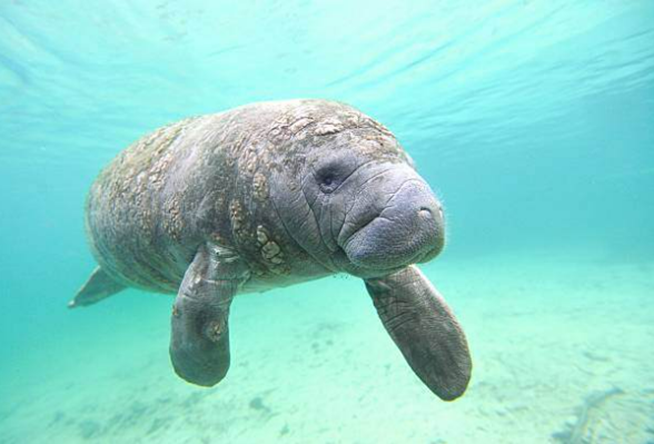
Photo Copyright: Manatee Lagoon FPL Eco-Discovery Center

Many Floridians know these beloved creatures as the “cows of the sea”, but manatees are actually some of the friendliest and awe-inspiring creatures of Florida’s coastal waters. Manatee season typically lasts from November through the end of March in Florida, and this is when many curious residents can expect to see some Manatees nearby or even experience some close encounters with them! However, it is no coincidence that these manatee visits occur during the winter months. When temperatures fall below about 68°F, they begin searching for warm-water refuges where they can stay safe. These refuges include natural freshwater springs, power plant outflows, and other areas where water temperatures remain stable throughout the winter. As warm-water mammals, manatees are especially vulnerable when water temperatures drop during the winter months. Because manatees cannot tolerate prolonged exposure to cold water, they find themselves in this search for a warm winter home.

During cold snaps, manatees often gather in large numbers at these warm-water sites. You might see dozens (or even hundreds!) resting close together, conserving energy and avoiding colder surrounding waters. These gatherings are a natural and essential survival strategy, but they also make manatees more vulnerable to human disturbance. Cold stress is one of the most serious winter threats manatees face. Extended exposure to cold water can lead to cold stress syndrome, which weakens their immune systems and can result in illness or death. Protecting warm-water habitats is critical during the winter season.

Winter is also one of the best times to ethically visit and observe manatees, especially at protected sites focused on conservation and education. Some great options across Florida include:

  1. Blue Spring State Park (located in Orange City). This is one of Florida’s most important winter refuges for manatees, where swimming is closed during manatee season to protect resting animals.
  2. Manatee Lagoon (located in West Palm Beach). Manatee Lagoon is an education center dedicated to manatee conservation with viewing areas and interactive exhibits. The center is located adjacent to a Florida Power and Light Clean Energy Center. The warm-water outflows from this FPL center have become a seasonal favorite of Florida’s manatees!
  3. FWC Manatee Viewing Center (located in Apollo Beach). This is a warm-water outflow site managed for public viewing and education during colder months.
  4. Homosassa Springs Wildlife State Park, which is a natural spring system where manatees often seek refuge in winter.
  5. ZooTampa’s Manatee Critical Care Center is a leading manatee rehabilitation hospital caring for injured and cold-stressed animals and is a great place to visit for local manatee conservation and education.
  6. Clearwater Marine Aquarium is a nonprofit rescue and rehabilitation center that provides medical care to manatees and other marine wildlife.

These locations allow people to learn about manatees while minimizing disturbance to the animals themselves, especially important during cold weather.

There are many other ways to do your part towards local manatee conservation. Whether you’re boating or paddling in winter, slow speeds are essential. Manatees move more slowly in cold water and often rest near the surface. Giving them space, respecting posted signs, and supporting conservation organizations all help reduce stress and injury.

Florida’s winter may be brief, but it’s a critical time for manatees. By protecting warm-water habitats and choosing responsible ways to observe wildlife, we can help ensure these gentle giants survive the season and many winters to come.

The Hidden Tricks behind a Florida Cold Snap

Florida winters usually bring mild mornings, sunny afternoons, and require maybe a light jacket at most. But this winter has felt a bit different. Colder nights, lingering chill, and the occasional shivering moment next to a warm fire. This New Year’s Eve, our community saw lows of 43?F, and those temperatures hung around for a few days! It’s cold stints like this that remind us that Florida isn’t immune to cold weather, just less familiar with it.

These sudden temperature drops are known as cold snaps, and while they don’t last long, they can have noticeable impacts across Florida’s ecosystems. A cold snap happens when a strong cold front pushes south, bringing a brief period of much cooler temperatures, often happening overnight. Unlike northern winters, Florida cold snaps are short-lived, but the rapid change can be stressful for plants, animals, and even people who don’t typically experience such temperature lows. Just a few cold nights can make a big difference here. Tropical and ornamental plants may show cold damage, while native plants are generally better adapted to handle temperature swings. Wildlife can be affected as well with reptiles becoming less active, birds shifting their feeding habits, and manatees seek out warm-water refuges to stay safe. Even farmers, gardeners, and homeowners often feel the effects quickly, especially when freezes threaten crops or landscaping. We experience some of our very own small impacts here at the Sawgrass Nature Center. Many of our animal ambassadors are not adapted to survive these chilly nights. So, some of our animals like a variety of our turtles and tortoises along with our yellow-naped Amazon parrots have to spend the nights inside! Because Florida ecosystems are shaped by warm conditions, even small cold extremes can ripple outward.

Although this can feel out of the ordinary for native Floridians, cold snaps themselves aren’t new to Florida. The state has always experienced occasional bursts of cold air during winter months. What is changing is how unpredictable these weather patterns feel. As climate conditions shift, we may see more variability and extremes on both ends of the temperature spectrum, including unusual cold alongside record heat.

Florida’s ecosystems are resilient, but they rely on balance. Cold snaps highlight the importance of protecting native plants that are adapted to local conditions, preserving habitats that give wildlife places to shelter, and paying attention to seasonal changes, even in a “warm” state like Florida. Sometimes, a chilly morning is more than just an inconvenience, but it’s a reminder that Florida’s environment is dynamic, complex, and worth paying attention to.

Winter in Florida: A Season of Subtle Transformations

When most people picture winter, they imagine snow-covered forests, icy mornings, and frozen lakes. But here in Florida, winter arrives quietly. It’s gentle, dry, and filled with subtle shifts that shape our ecosystems in ways that are easy to miss unless you know where to look. Winter in Florida isn’t an absence of life, but a reshuffling. A season of clearer skies, cooler nights, and wildlife on the move. And for our plants, animals, and landscapes, it’s one of the most important seasons of the year.

Florida enters its dry season in late fall, and by winter it’s in full swing. The familiar summer humidity fades, afternoon storms quiet down, and skies turn a clearer shade of blue. This shift sets the stage for nearly every ecological process that follows.

Winter transforms the Everglades more than almost any other season. As water levels retreat, wildlife becomes easier to spot. Fish concentrate in shallower pools, drawing wading birds like herons, egrets, ibis, and even birds like the roseate spoonbill. During this drier period, alligators create “gator holes” that hold water longer than the surrounding marsh, becoming miniature oases for fish, turtles, and birds. Predators follow prey, and the whole ecosystem tightens into a dynamic winter hub of activity.

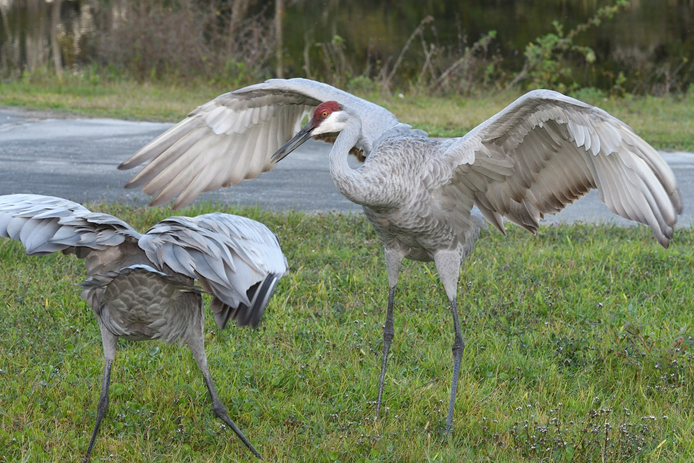
Florida also becomes a meeting place in winter. While other states quiet down, ours fills with visitors. Manatees gather at warm-water springs and power plant outflows. Migratory birds arrive by the thousands, turning parks and wetlands into world-class birding sites. Reptiles slow their activity, basking more frequently during cool mornings. Amphibians retreat to moist refuges until warmer weather returns. This season is filled with active mammals, bustling birds, and reptiles taking life at a slower pace.

Florida’s winter might not come with snowflakes or frozen ponds, but it’s one of the most beautiful times of year to explore the outdoors. Our ecosystems shift in ways that reveal the quiet complexity of the natural world. Wildlife moves with intention. Plants prepare in their own subtle ways. Water (or the lack of it) shapes everything. So, this winter, take a moment to notice the changes: the clearer skies, the active wetlands, the manatees seeking warmth, the first hint of early blossoms. Winter in Florida is a season of subtle transformations, and one that reminds us just how remarkable our state’s natural rhythms truly are.

The Heart of Autumn: Pumpkins!

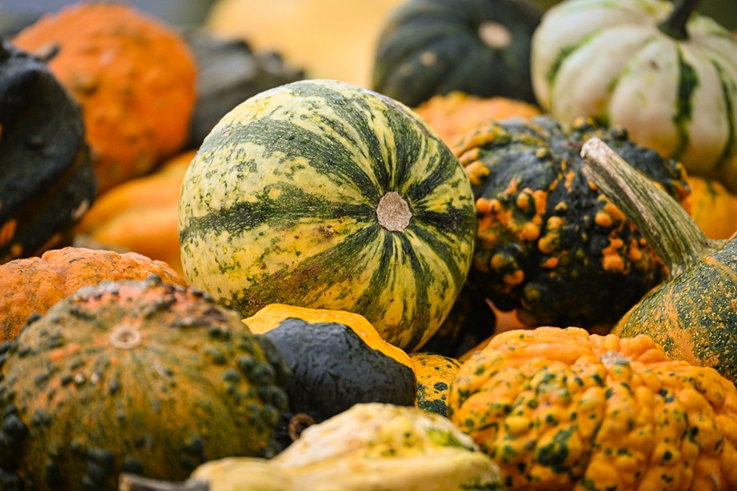
As the air cools and the fall spirit fills the air, one symbol seems to define the autumn season more than any other: the pumpkin! Whether you’re carving a jack-o’-lantern, sipping a pumpkin spice latte, or baking a pie for Thanksgiving, pumpkins are at the heart of autumn celebrations. But before they became a staple of fall decor and seasonal treats, pumpkins had a long and fascinating history rooted deep in the soil of the Americas. 

Pumpkins are native to the Western Hemisphere and have been cultivated for thousands of years. The oldest evidence of pumpkin seeds was discovered in Mexico, dating back over 7,000 years. Indigenous peoples across North and Central America grew pumpkins not just for food, but also for storage containers, mats, and tools made from their dried shells. Along with corn and beans, pumpkins formed part of a trio of crops that were grown together and sustained many Native American communities. When European settlers arrived in the 1500s, they quickly adopted pumpkins into their diets. The early colonists learned how to roast pumpkin slices, boil them into stews, and even use them in primitive versions of pie. From those early recipes grew a culinary tradition that would eventually become a staple of American autumns. 

Today, it’s hard to imagine Halloween without glowing orange jack-o’-lanterns lighting up doorsteps. This tradition actually began in Ireland, where people carved faces into turnips and potatoes to ward off wandering spirits at the end of harvest season. When Irish immigrants came to America, they found that the native pumpkin was larger, softer, and easier to carve. And thus, the jack-o’-lantern we know today was born. Pumpkins also hold a proud place on the Thanksgiving table, a nod to their role as a staple crop during the first colonial harvests. Over time, pumpkin pie became a classic comfort food that represents abundance, gratitude, and family.  

Pumpkins are more than just a seasonal icon; they remind us of the cycles of nature and the importance of local agriculture. When you pick a pumpkin from a nearby farm or cook with fresh, seasonal produce, you’re taking part in a long-standing tradition that connects people, place, and planet. Pumpkins bring communities together, from neighborhood carving contests to harvest festivals, to celebrate the beauty of the natural world as it shifts toward winter. 

So, this October, when you see fields of orange stretching across your local pumpkin patch or smell the warm spice of pumpkin pie, take a moment to appreciate how this humble plant became the heartbeat of autumn. The pumpkin’s story is a reminder that even the simplest crops can carry deep roots in both history and heart. 

Florida Climate Week 2025 and what it means for Coral Springs

This week, from October 6th to 12th, 2025, Florida is coming together for Florida Climate Week, which, for many people, is a time to learn, connect, and take action toward a more sustainable, resilient future. Organized by the VoLo Foundation, this annual statewide initiative brings together scientists, educators, businesses, students, and residents to talk about one of the most pressing challenges we face: climate change. While Climate Week events are happening all across the state in person and online, there’s a special opportunity for us here in Coral Springs to reflect on what we’re already doing, and what more we can do, to protect our community and environment.

Florida Climate Week (FCW) is a free, statewide series of events designed to inspire and empower Floridians to take climate action. From panel discussions on clean energy to ocean cleanups and youth workshops, the week’s goal is to highlight how every person and community has a role in addressing the climate crisis. This year’s theme is “Collaboration for a Resilient Future,”. And while the effects of climate change (rising seas, warmer temperatures, and stronger storms) might feel far away, they’re already shaping life right here in South Florida. That’s why Florida Climate Week is not just a weeklong celebration, but a call to action for all of us.

Coral Springs has already taken meaningful steps to become a greener, more resilient city through many outlets. For over 30 years, the city has maintained The Tree City USA title maintaining an urban community forest program. The Office of Sustainability developed a Sustainability Action Plan and is dedicated to environmental advocacy, through its partnership in the Southeast Florida Regional Climate Change Compact and Cities Forward Initiative – a U.S. State Department initiative led by ICLEI USA, Resilient Cities Catalyst, and Institute of the Americas.

Local environmental groups like the Rotary Community Garden and Food Forest of Coral Springs, Garden Club of Coral Springs, and the Sawgrass Nature Center and Wildlife Hospital help to spread the word on how to be better stewards of our natural world.

While many Florida Climate Week events are virtual, there are also in-person gatherings across Broward County, including cleanups, climate workshops, and educational sessions. You can explore the full schedule and sign up for events through the Florida Climate Week website.

Climate action doesn’t end when the week is over. Every small step adds up to meaningful change. To keep the momentum going year-round, you can join a local green group, reduce single-use plastics, bike, walk, or carpool on your commute, save energy at home, and most importantly, stay informed!

Climate change might seem like a global problem, but its effects are already visible close to home in the form of warmer summers, shifting rainfall, and rising sea levels. These changes influence everything from local wildlife and water quality to property values and storm preparedness. Florida Climate Week reminds us that tackling climate change requires everyone, from city leaders to everyday residents. Coral Springs is already part of that progress, and by continuing to lead with awareness, innovation, and collaboration, we can ensure a brighter, greener future for all. Learn more or register for events at floridaclimateweek.org.

Celebrating National Estuaries Week: Where Rivers Meet the Sea

From September 20th to the 27th, we celebrate National Estuaries Week:  a chance to shine a spotlight on some of the most unique and important ecosystems on Earth. Estuaries may not always get the same attention as rainforests or coral reefs, but they are just as vital to both nature and people. An estuary is a special place where fresh water from rivers or streams mixes with salt water from the ocean. This constant mixing creates a dynamic environment shaped by tides, currents, and changing salinity levels. Estuaries can also come in different forms. Brackish estuaries are the most common and contain a mix of fresh and salt water. Freshwater estuaries form when rivers flow into large freshwater lakes. Because they exist at the meeting point between land and sea, estuaries are always changing and always teeming with life.

Estuaries are often referred to as the “nurseries of the sea.” That’s because so many fish, shellfish, and other marine species spend their early life stages in these safe, food-rich waters before moving out to the open ocean. But, their importance goes far beyond that. Estuaries are home to countless plants, birds, mammals, and marine species, making them biodiversity hotspots. Wetlands and marshes act as natural filters by trapping pollutants and sediments, improving water quality before it reaches the ocean. Estuaries also offer protection from storms, acting like sponges, buffering communities from floods, erosion, and storm surges. They can also be considered carbon sinks when habitats like marshes, mangroves, and seagrasses store huge amounts of carbon. Estuaries can also help improve the economy. From fisheries and tourism to shipping and recreation, estuaries support millions of jobs and generate billions of dollars each year.

There are many famous estuaries across the U.S., and there may be one closer than you think. Some of the most notable ones include Apalachicola Bay in Florida, Chesapeake Bay spanning six states and Washington, D.C., the Hudson River Estuary in both New York and New Jersey, and Elkhorn Slough in California. Here in Florida, we’re surrounded by estuarine treasures. From the Indian River Lagoon to Biscayne Bay and the St. Lucie Estuary, each provides essential habitat and supports local communities.

Despite their value, estuaries are among the most threatened ecosystems on the planet. Major pressures include things like pollution, habitat loss, climate change, and countless invasive species. However, we can help protect these estuaries in a few different ways:

  • Reducing lawn fertilizers and chemicals that wash into waterways.
  • Properly disposing of household waste and never dumping down storm drains.
  • Planting native vegetation to absorb runoff.
  • Joining local cleanup efforts.
  • Supporting organizations that restore wetlands, marshes, and seagrasses.

Estuaries may not always make headlines, but they quietly sustain our coasts, our economy, and our way of life. This National Estuaries Week, take a moment to appreciate these “in-between” places where rivers meet the sea. Together, we can make sure estuaries remain healthy, vibrant, and full of life for generations to come.

Honoring Heritage and Nature with Latino Conservation Week

Every year from September 15 to October 15, the United States celebrates Hispanic Heritage Month: a time to honor the histories, cultures, and contributions of Americans whose ancestry comes from Spain, Mexico, the Caribbean, and Central and South America. Nestled within this month is Latino Conservation Week, a celebration that highlights the deep connections between Latino communities and the natural world. Together, these celebrations remind us that heritage and conservation are not separate stories, but intertwined legacies that continue to shape our relationship with the land.

Hispanic Heritage Month began in 1968 as Hispanic Heritage Week, established by President Lyndon B. Johnson. In 1988, it was expanded to a full month under President Ronald Reagan. The start date of September 15th is also significant, being that on that day in 1821, several countries including Costa Rica, El Salvador, Guatemala, Honduras, and Nicaragua all declared independence from Spain. Soon after, Mexico (on September 16th) and Chile (on September 18th) also mark their independence days. Aligning the celebration with these anniversaries ties Hispanic Heritage Month directly to pivotal moments of freedom, identity, and cultural pride.

For many Latino cultures, the relationship with the natural world runs deep. This connection stretches back to many Indigenous traditions across the Americas, where communities lived in balance with the land, cultivating sustainable farming practices, protecting forests and rivers, and embedding respect for nature into their spiritual and cultural life. Family, community, and care for the land are values that continue to shape how many families view the outdoors. Whether through farming, fishing, gardening, or celebrating seasonal festivals, nature has long been a place of nourishment, healing, and

belonging for the Latino community. Simultaneously, the history of colonization, land displacement, and environmental inequities has meant that access to land and green spaces has not always been equal. Yet, their resilience and cultural stewardship continue to thrive, reminding us that conservation is not a new concept in Latino heritage, but a deeply rooted tradition.

Today, Latino voices are essential in the environmental movement. Organizations such as the Hispanic Access Foundation and Latino Outdoors are building community, providing outdoor access, and advocating for policies that protect both the people and the planet. Launched in 2014 by the Hispanic Access Foundation, Latino Conservation Week (LCW) takes place during Hispanic Heritage Month each year. Its mission is simple yet powerful: to engage Latino communities in conservation, recreation, and environmental education. Events include nature hikes, river cleanups, birdwatching outings, educational workshops, and advocacy campaigns, all designed to foster stronger connections with the outdoors. LCW not only celebrates culture but also addresses barriers to outdoor participation. By making conservation welcoming and inclusive, it empowers families, youth, and local leaders to become advocates for the environment.

This month, take time to celebrate Latino heritage and explore opportunities to get involved with conservation in your own community. Whether that means supporting a local event, joining a cleanup, volunteering, or simply learning about Latino-led organizations making a difference, each action strengthens the bond between people and planet. Heritage and nature are both gifts. By celebrating them together, we ensure they continue to flourish for generations to come.

Helpful Resources & Links

Time to Step Outside: The Mental, Physical, and Social Benefits of Being Outdoors 

In today’s busy world, it’s easy to find ourselves spending hours indoors, whether it’s at desks, behind screens, or in the car. But science continues to remind us of something our bodies already know: spending time outside is one of the simplest and most effective ways to improve our health and well-being. Whether it’s a brisk walk in the park, exercising outdoors, or gathering for a community event, nature has measurable benefits for both individuals and communities. 

When we move our bodies outside, the results are powerful. Studies show that regular outdoor activity can lower blood pressure and reduce the risk of heart disease. Even a 30-minute walk outdoors can improve circulation and heart health. Spending time in the sun can strengthen the immune system. Exposure to sunlight increases vitamin D, which supports bone strength and helps the body fight off illness. Getting outside during the day can also improve sleep quality. Natural light helps regulate our internal clock, leading to deeper, more restful sleep. Time in nature can encourage consistent exercise. People who exercise outdoors often stick with it longer, finding more joy in the movement itself. 

The mental health advantages of time spent in green spaces are just as impressive as the physical benefits. Research shows that spending just 20 minutes in nature can reduce stress and anxiety. It significantly lowers cortisol levels, the body’s stress hormone. Time spent outdoors can also sharpen focus and cultivate better memory. Outdoor activities have been linked to improved concentration and cognitive performance, especially in children and young adults. Time in natural environments has been shown to ease symptoms of depression and increase feelings of happiness and well-being. 

Beyond personal benefits, spending time outside also strengthens our social fabric. Outdoor activities bring people together in ways that are healthy, inclusive, and fun. From fitness classes in the park to guided hikes, community gardening, or festivals, outdoor gatherings encourage stronger social connections. Meeting new people and engaging with neighbors fosters a sense of belonging. Outdoor activities create healthier communities overall. When people move together, share food, or enjoy nature as a group, the benefits ripple outward. Outdoor events are often free or low-cost, giving accessible wellness to all. 

Here at the Sawgrass Nature Center, we believe in the power of nature to transform your health as well as your connection to your community. Our outdoor programs and events are designed to give you the opportunity to breathe fresh air and connect with others, all while reaping the benefits science has confirmed. So, today we encourage you to take a step outside. Notice how your body feels, how your mind clears, and how much brighter the world seems. And when you’re ready, join us at one of our upcoming outdoor events and you might be surprised by how much good a little fresh air can do. 

The Power of Outdoor Environmental Education!

Spending time outdoors isn’t just refreshing, it’s essential. For children especially, outdoor environmental education builds a foundation that can last a lifetime. When young people explore natural spaces, they don’t just learn facts about plants, animals, and ecosystems; they develop curiosity, critical thinking skills, and a sense of stewardship that influences the way they see the world as adults.

Research shows that outdoor learning has a wide range of benefits. It boosts physical health, improves focus and social skills, and strengthens emotional well-being. More importantly, it helps children make personal connections with the environment. When a student observes a butterfly up close, plants seeds in a school garden, or discovers the tracks of a raccoon near a wetland, that experience becomes a memory, and often a turning point, in how they view the natural world. Outdoor education is not just curriculum enhancement, but it’s a cornerstone of cognitive development, mental health, and lifelong environmental stewardship. And the research reveals that!

One study showed that exposure to nature improves attention, academic performance, and problem-solving skills. Students in outdoor programs see up to 27% gains in science mastery (waee.org). Outdoor programs have also been seen to support emotional regulation, prosocial behavior, and stress reduction. 68% of educators observed better behavior after natural play improvements (naturalearning.org). According to naturalearning.org and Frontiers, children with meaningful nature experiences are more likely to become environmentally active adults. Even simple exposure correlates with profound mental health benefits. Children growing up near green space had 55% lower risk of developing psychiatric disorders.

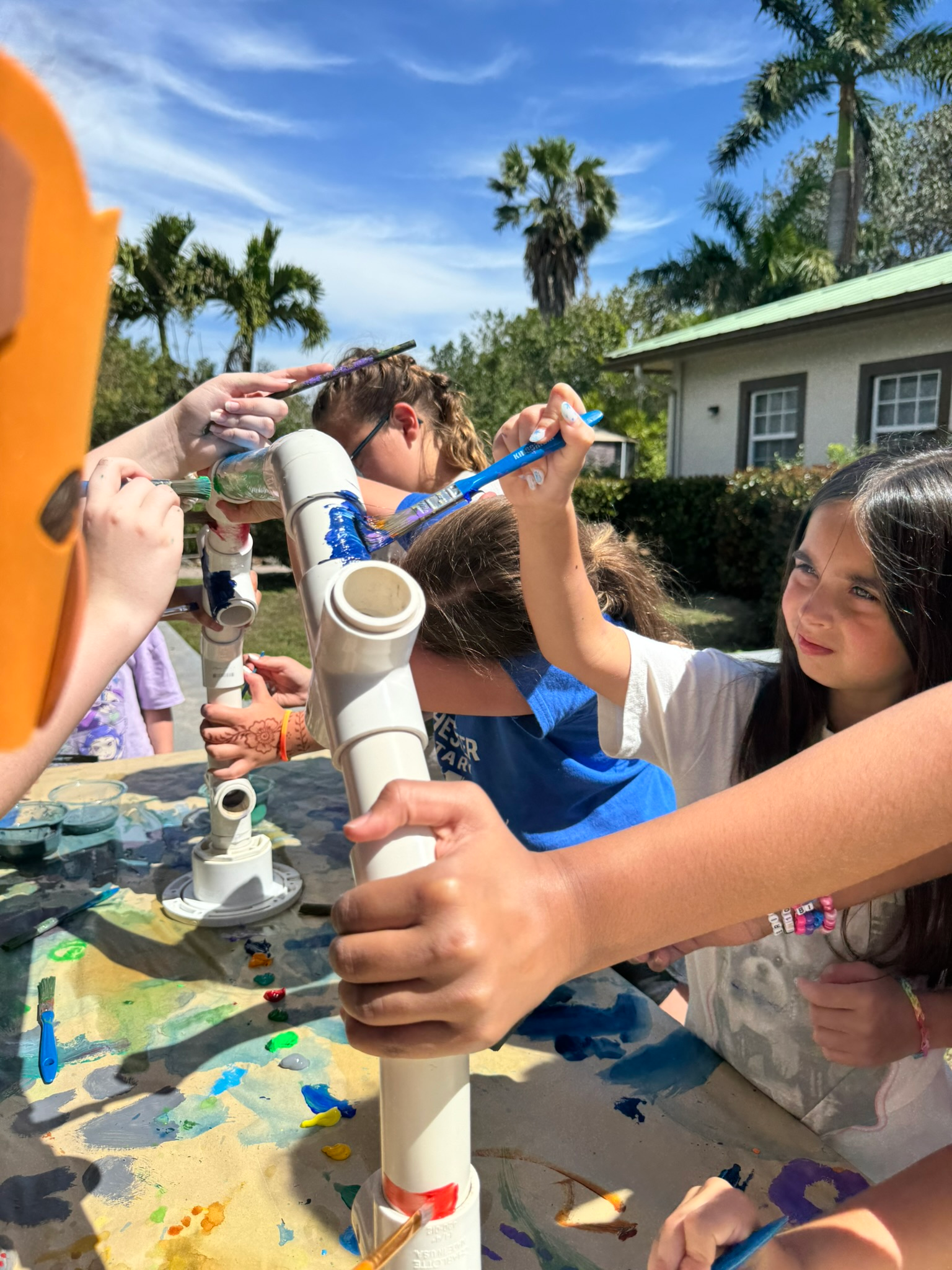
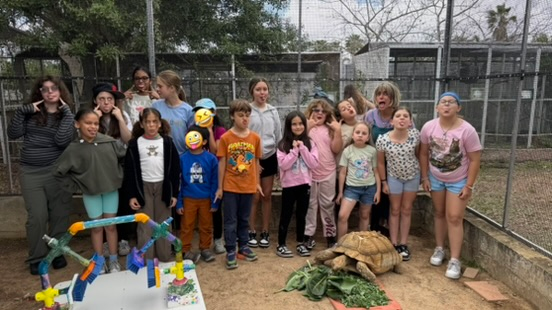
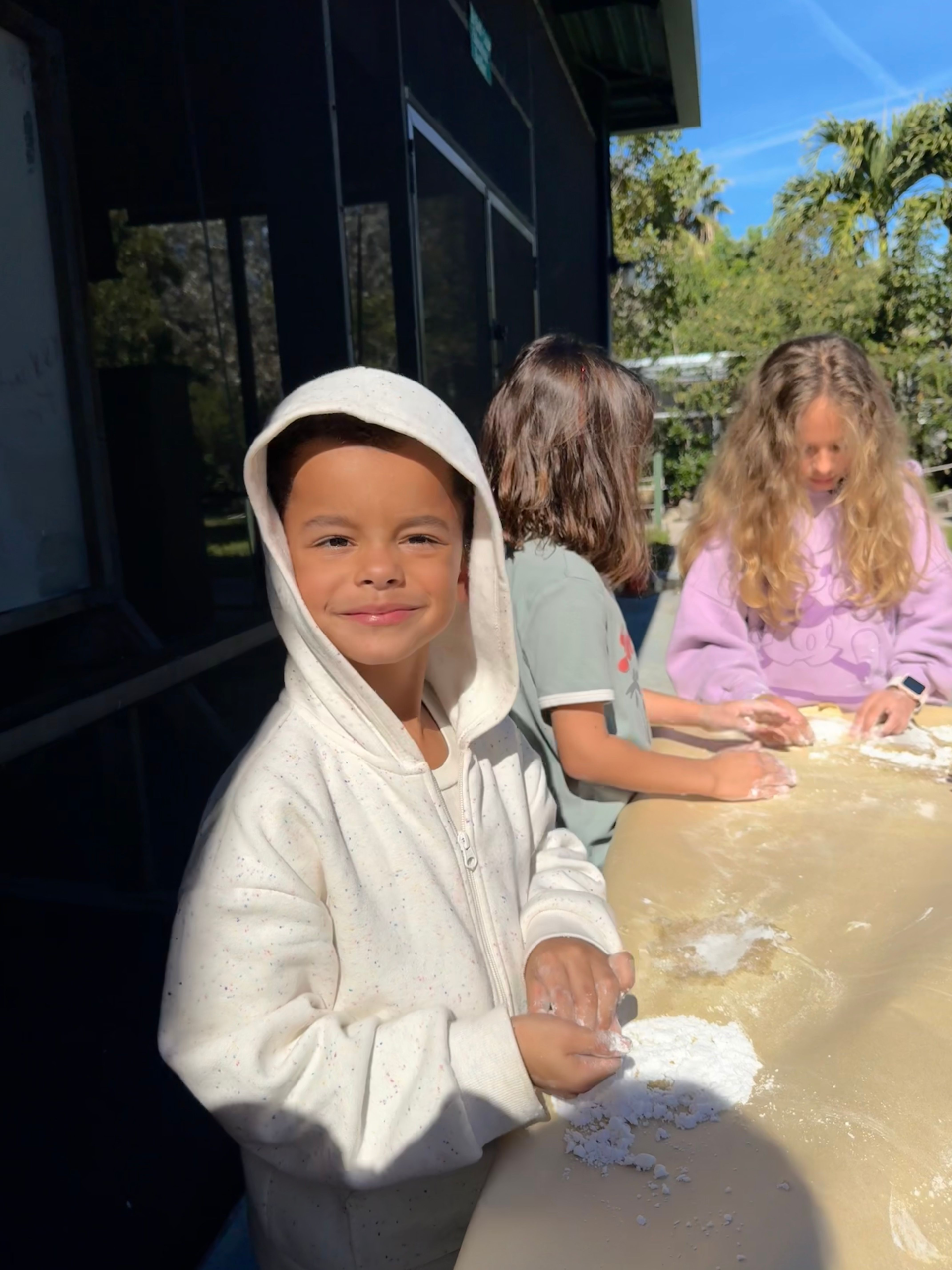
At the Sawgrass Nature Center, we see the value of outdoor environmental education every day. As our own form of environmental education, students are guided through programs that highlight Florida’s native wildlife, their unique adaptations, and the importance of conservation. We host school field trips, offer outdoor nature camps during school breaks, and create opportunities for families to explore nature together. This past summer, our campers got to experience loads of ecology-based lessons and activities. Some of these included trips to the local food forest, the creation of their own nature journals, observing a juvenile opossum release, participating in an ocean acidification experiment, and even dissecting owl pellets! Even a simple self-guided tour of the center

gives visitors a chance to slow down, observe, and learn. These experiences aren’t just fun, but they’re stepping stones toward a more environmentally conscious community.

The lessons children learn outdoors don’t end when the field trip is over or camp comes to a close. They carry forward into adulthood, shaping how people think about their choices, their communities, and their environment. A child who once marveled at a turtle in a pond may grow into an adult who advocates for clean water. A student who planted seeds in a garden may later become a leader in sustainable agriculture or conservation.

Outdoor environmental education matters because it connects us to nature, to each other, and to the responsibility we share in caring for the Earth. Whether it’s planting a tree, volunteering at a local nature center, or simply pausing to notice the clouds drifting overhead, every outdoor learning experience adds to a culture of awareness and stewardship. Together, we can inspire the next generation to build a more sustainable and resilient future.