Have you ever wondered where the names of autumn’s full moons come from? The Harvest Moon, Hunter Moon, and Beaver Moon, amongst many others, hold more historical significance than you may think. As autumn arrives, the night sky offers a wonderful opportunity to explore not only astronomy, but also the cultural traditions and histories connected to the Moon.
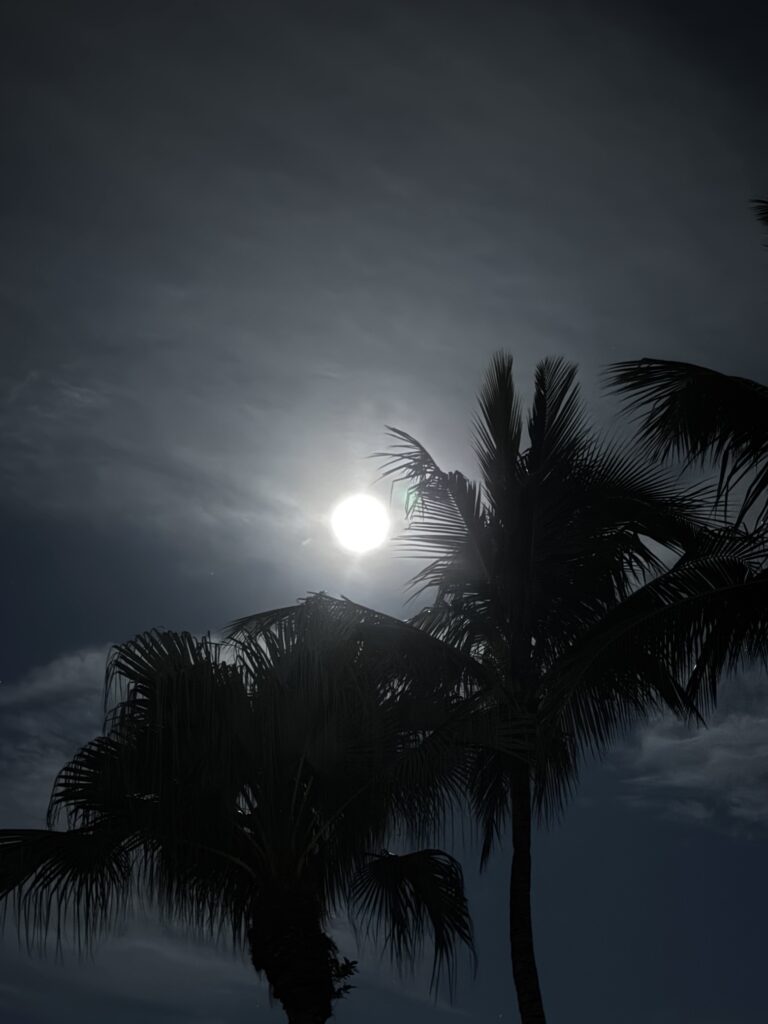
September’s Harvest Moon reached its peak on September 26, 2026, marking the full moon closest to the autumnal equinox this year. The name has roots in agricultural traditions. Before the days of electricity, the bright moon provided additional light for farmers gathering their crops after sunset. Around the Harvest Moon, the moon also tends to rise relatively soon after sunset for several evenings in a row, extending the hours available for outdoor work. This made its light especially useful during the busy harvest season. The Harvest Moon reminds us that people have long looked to the sky to help understand and navigate the natural world.
The next full moon, the Hunter’s Moon, will reach its peak on October 26, 2026. Traditionally, this name follows the Harvest Moon and is associated with the time when fields had been harvested, and hunters could more easily spot wildlife in open landscapes. However, it is important to remember that these names are not always universal. The animals people hunted, the crops they gathered, and the environmental changes they observed varied from region to region. A seasonal name that made sense in one part of North America might not have described the natural world in another. For Florida residents, October brings its own seasonal changes. The wet season begins to wind down, and cooler weather encourages people to spend more time outdoors. Rather than looking for falling leaves, we can watch for changes in the birds visiting our yards and observe how our local ecosystems respond to the changing season.
Looking ahead, November’s full moon is traditionally known as the Beaver Moon. It will reach its peak on November 24, 2026. Several explanations are associated with this name. One interpretation connects it to the time when beavers prepare their lodges and build up food supplies before winter. Another explanation relates to the seasonal trapping of beavers in parts of North America, when their winter pelts were particularly valued.
Many of the English-language full moon names commonly used today were influenced by Indigenous North American traditions, alongside European seasonal and agricultural customs. Colonial-era writers recorded and translated lunar-month names, and later publications helped popularize the familiar calendar of full moon names used today. However, there is no single universal set of Full Moon names. Indigenous peoples across North America have distinct languages, cultures, histories, and relationships with their environments. Many traditional calendars are connected to lunar cycles and seasonal events, including the movement of animals, the growth of plants, the availability of food, and changes in weather. The names used by one nation may differ significantly from those of another, reflecting the ecosystems and cultural practices of each community.
The Moon itself belongs to no single culture. People around the world have observed its phases, incorporated them into calendars, and developed stories and traditions connected to its presence in the night sky. So, celebrate this Indigenous People’s Day on October 12th, 2026 by diving into the traditions used in our modern world that were gifted to us by these sacred cultures.
Learn More
- NASA: What Is a Harvest Moon?
- The Moon in October 2026
- Climate-Related Terminology in Indigenous Languages
- Smithsonian National Museum of the American Indian: Indigenous Perspectives on the Sky
