While winter in Florida may feel quiet, a lot is happening just out of sight. Late winter and early spring mark the beginning of nesting season for many of Florida’s small mammals. This includes animals like raccoons, squirrels, opossums, and rabbits. As temperatures slowly warm and food becomes more available, these animals begin preparing for their busiest time of year.
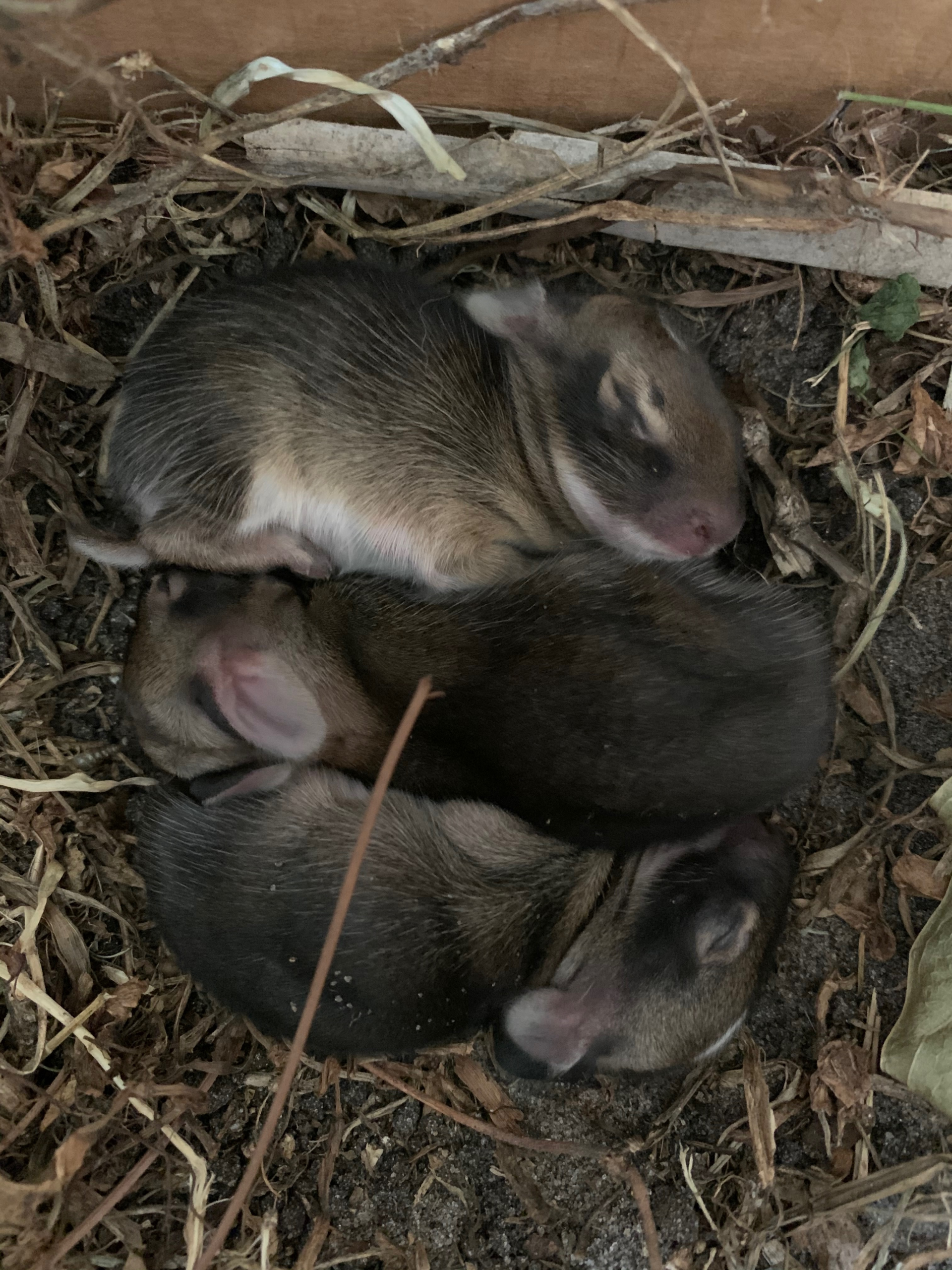
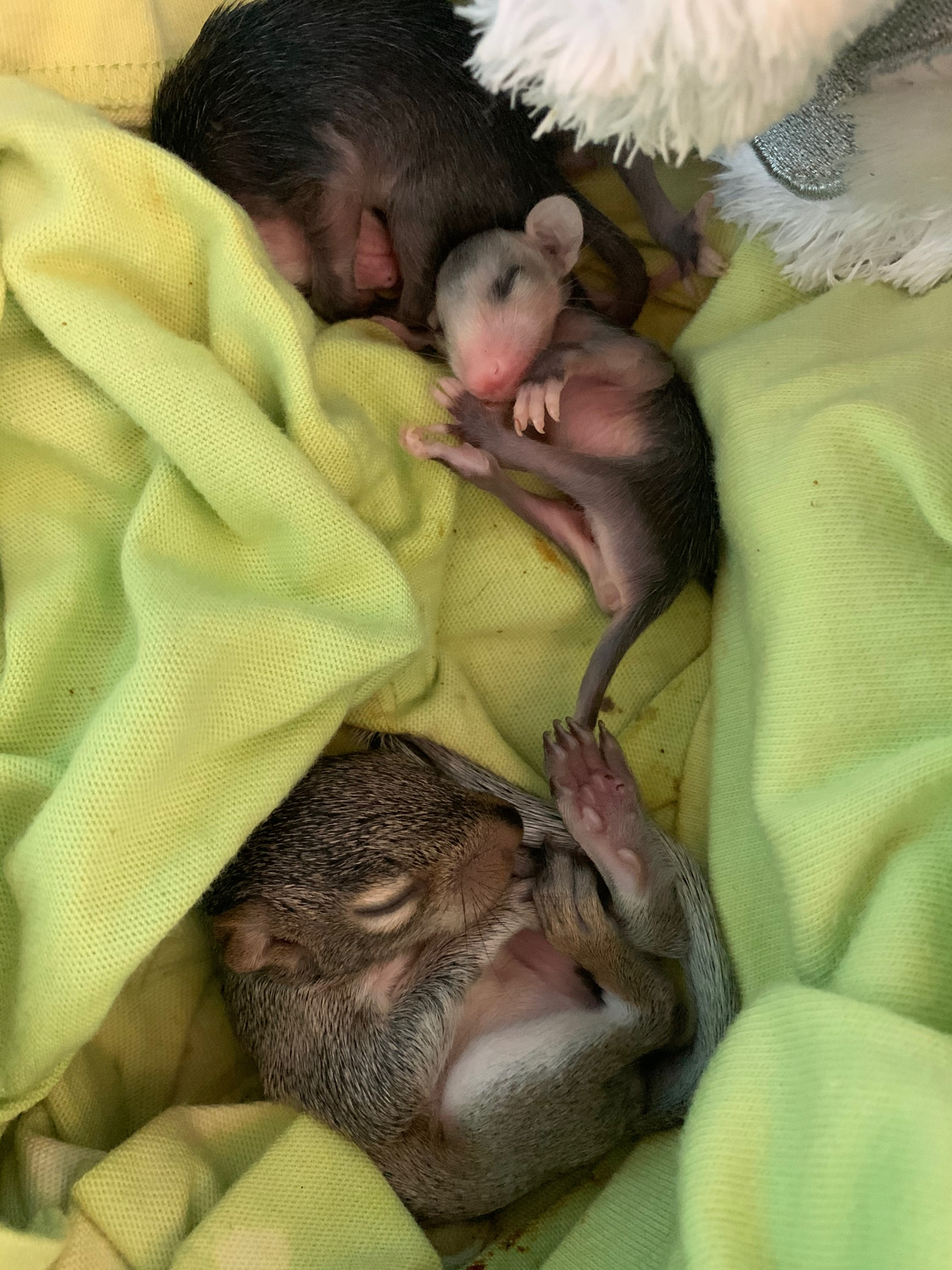
There are several familiar Florida mammals that welcome their young surprisingly early in the calendar year. Eastern gray squirrels often have babies between January and March, nesting high in trees or tucked into tree cavities. Raccoons typically give birth from February through April, choosing hollow trees, abandoned burrows, or even attics and crawl spaces. Opossums can have young almost year-round in Florida, but activity increases in late winter as conditions improve. Cottontail rabbits begin breeding early, with babies appearing by late winter and continuing into spring. Because these animals nest quietly and keep their young hidden, many people don’t realize how active this season truly is.
While so many states hunker down for the harshest parts of winter, Florida’s mild winters give wildlife a head start. Earlier nesting allows young animals more time to grow, learn survival skills, and take advantage of spring’s increased food sources. By the time hotter summer temperatures arrive, many babies are already independent or close to it. This timing is especially important for mammals that rely on trees, brush piles, and undisturbed spaces for shelter.
As baby season begins, human-wildlife interactions often increase. And it is important that members of the community know how to respond appropriately. You may notice things like more animal movement as parents forage for food, noises from attics or trees as animals nest, and even young animals appearing alone but not necessarily abandoned. If you want to help, a few small actions can make a big difference. Avoid trimming trees or removing brush during late winter and early spring, check your yard carefully before mowing, and keep pets leashed to prevent accidental encounters.
If you find a baby animal, it’s best to observe from a distance. In many cases, the parent is nearby. Removing animals unnecessarily can do more harm than good. If an animal truly appears injured or orphaned, you can always contact your local wildlife animal hospital (like the Sawgrass Nature Center!) before interacting with or touching the animal to seek further guidance.
Florida’s winter may feel calm to us, but for wildlife, it’s the start of new life. As nesting and baby season gets underway, giving animals space and understanding helps ensure that Florida’s small mammals get the best possible start. The next time you spot a squirrel darting through the trees or a raccoon out during the day, you may be witnessing the early signs of a brand-new generation.