
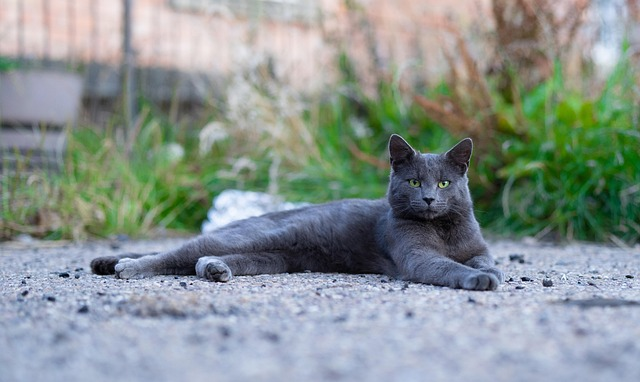
Florida’s growing population of feral and free-roaming cats has evolved from a curious urban feature into a pressing ecological and public health challenge. Fueled by the state’s warm, humid climate—which allows cats to breed and survive outdoors year-round—and human behaviors like abandonment and unregulated feeding, the issue has reached critical mass.
These cats often form colonies, loosely woven into the fabric of urban and suburban ecosystems. While some residents view them as charming neighborhood fixtures, their impact on native wildlife is profound. Outdoor cats are prolific hunters, preying on ground-nesting birds, reptiles, and small mammals. This disrupts local food webs and threatens vulnerable species, some of which are already under pressure from habitat loss.
Beyond ecological concerns, feral cats pose public health risks. They can transmit diseases such as toxoplasmosis, rabies, and parasites like fleas and intestinal worms—affecting both humans and other animals. Animal shelters, overwhelmed by intake numbers, face heartbreaking decisions, with high euthanasia rates and limited resources to implement long-term solutions.
Trap-Neuter-Return (TNR) programs have emerged as the most humane and widely accepted method for managing feral cat populations. These initiatives aim to stabilize colonies by preventing further reproduction, but they require significant funding, volunteer support, and public education to be truly effective.
Unfortunately, Florida’s legislative response remains fragmented. There is no statewide spay/neuter mandate, and policies vary widely between municipalities. This lack of consistency hampers coordinated efforts and leaves many communities without the tools they need to address the crisis.
The abundance of outdoor cats in Florida presents a moral and logistical dilemma: how do we care for individual animals while safeguarding native ecosystems and public health? The answer lies in community-wide collaboration, responsible pet ownership, policy reform, and a shift from passive tolerance to active stewardship.