
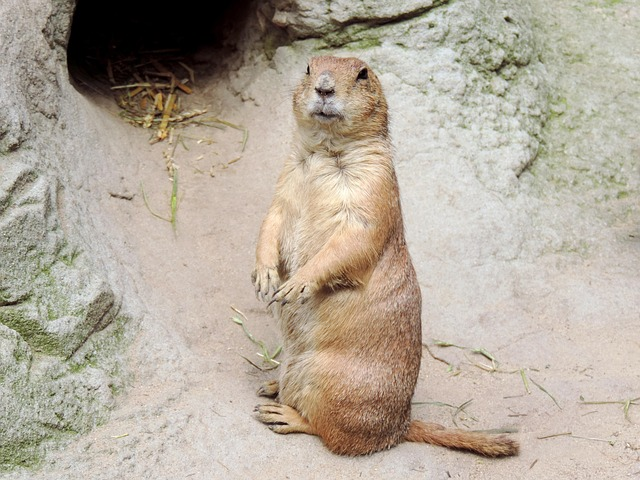
Every year in early February, when Americans are shivering and ready to welcome the warmth of spring, all eyes turn to a groundhog and its shadow. Will there be six more weeks of winter, or an early spring? While Groundhog Day is rooted in tradition and folklore, the real story of groundhogs is far more interesting, and surprisingly connected to the seasonal changes happening all around us.
Groundhogs, also known as woodchucks, are true hibernators. During the coldest months, they spend weeks at a time in underground burrows, slowing their heart rate and body temperature to conserve energy. But by late winter, things begin to change. As daylight increases, groundhogs start to stir. They may briefly emerge from their burrows, not to predict the weather, but to check conditions and prepare for the upcoming breeding season. This early activity is one of nature’s subtle signs that spring is approaching, whether the calendar (or the shadow) agrees or not.
Although they have been simplified to a holiday mascot for most, groundhogs play an important role in the ecosystems where they live. Their burrowing helps aerate soil, mix nutrients, and create shelter used by other animals like foxes, rabbits, and amphibians. In this way, groundhogs act as quiet ecosystem engineers, shaping their environment from below the surface.
Although groundhogs aren’t native to Florida, we do have our own burrowing wildlife filling similar roles. Gopher tortoises, for example, dig deep burrows that provide shelter for more than 350 other species. Armadillos also disturb soil as they forage, influencing nutrient cycling in their own way. Different species, same idea: healthy ecosystems rely on keystone species that shape the land itself.
Groundhog Day may be playful, but it reminds us of something deeper: nature doesn’t wait for a date on the calendar. Across the country (and right here in Florida), wildlife is already responding to longer days and subtle environmental cues. Nesting seasons are approaching, plants are preparing to bloom, and animals are shifting into a new phase of the year. So whether or not the world’s most famous groundhog saw its shadow this year, we know the natural world is already planning ahead.