
It’s Baby Season! Florida’s Late Winter Surprises

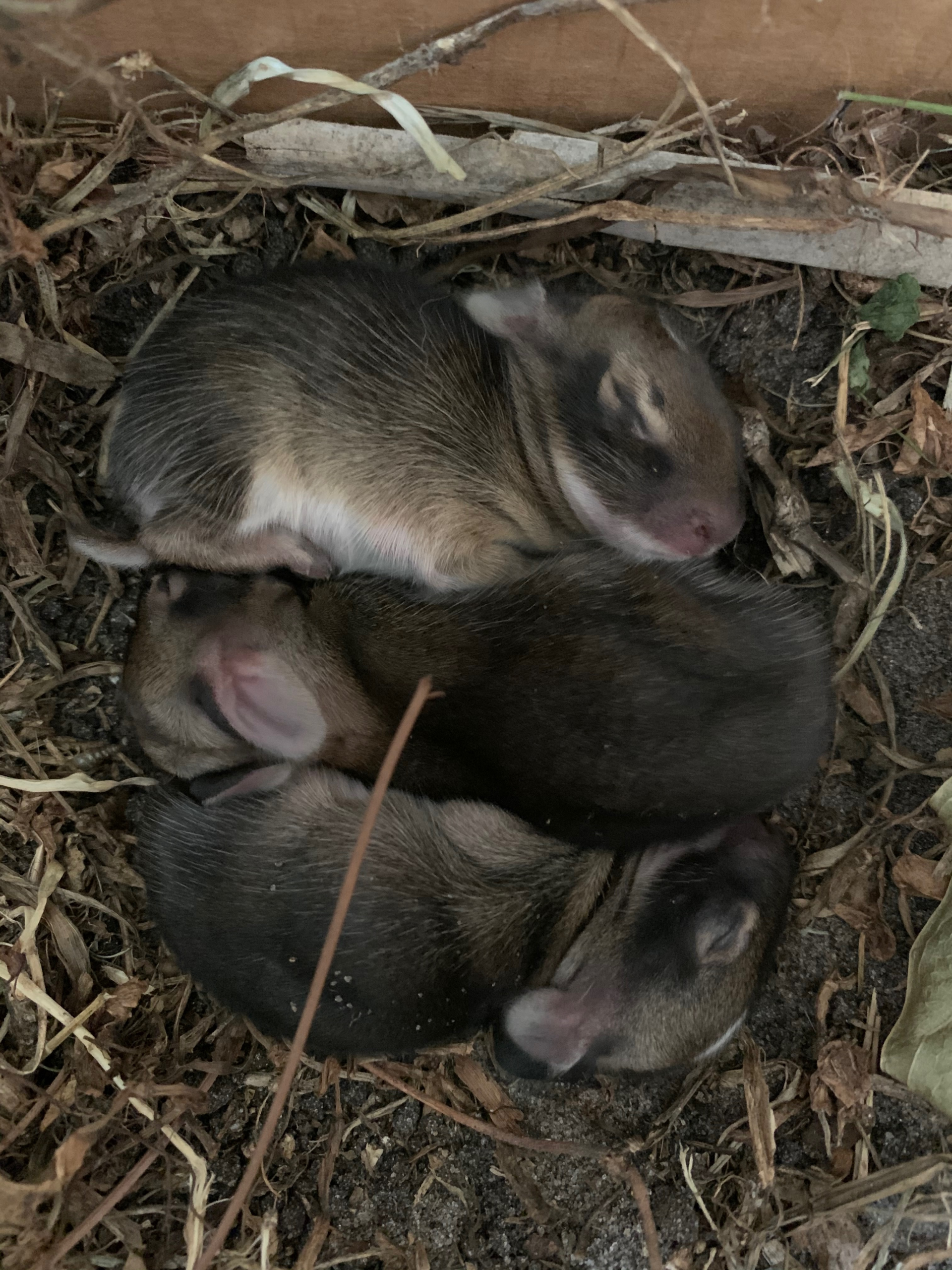
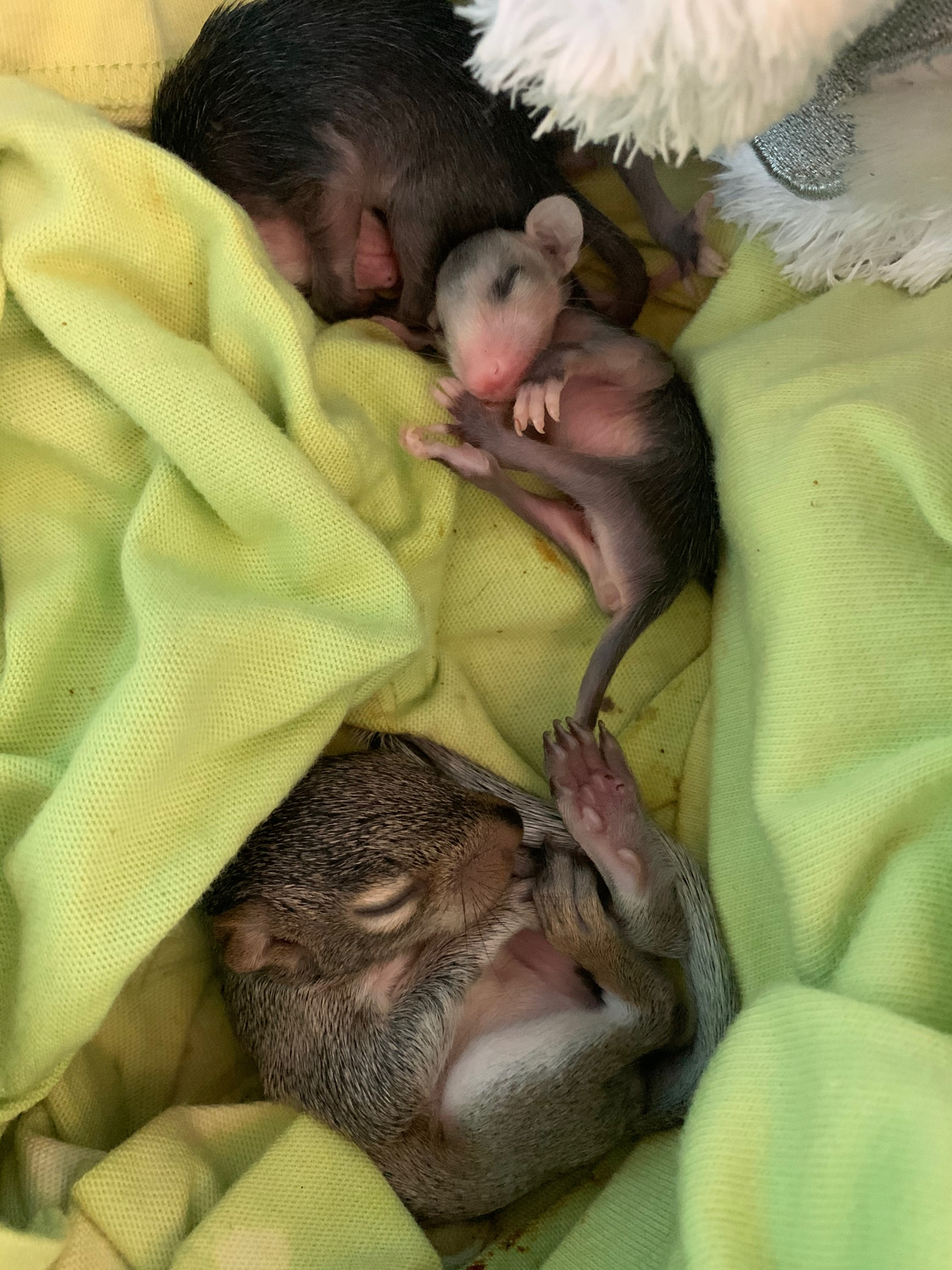
While winter in Florida may feel quiet, a lot is happening just out of sight. Late winter and early spring mark the beginning of nesting season for many of Florida’s small mammals. This includes animals like raccoons, squirrels, opossums, and rabbits. As temperatures slowly warm and food becomes more available, these animals begin preparing for their busiest time of year.

There are several familiar Florida mammals that welcome their young surprisingly early in the calendar year. Eastern gray squirrels often have babies between January and March, nesting high in trees or tucked into tree cavities. Raccoons typically give birth from February through April, choosing hollow trees, abandoned burrows, or even attics and crawl spaces. Opossums can have young almost year-round in Florida, but activity increases in late winter as conditions improve. Cottontail rabbits begin breeding early, with babies appearing by late winter and continuing into spring. Because these animals nest quietly and keep their young hidden, many people don’t realize how active this season truly is.

While so many states hunker down for the harshest parts of winter, Florida’s mild winters give wildlife a head start. Earlier nesting allows young animals more time to grow, learn survival skills, and take advantage of spring’s increased food sources. By the time hotter summer temperatures arrive, many babies are already independent or close to it. This timing is especially important for mammals that rely on trees, brush piles, and undisturbed spaces for shelter.

As baby season begins, human-wildlife interactions often increase. And it is important that members of the community know how to respond appropriately. You may notice things like more animal movement as parents forage for food, noises from attics or trees as animals nest, and even young animals appearing alone but not necessarily abandoned. If you want to help, a few small actions can make a big difference. Avoid trimming trees or removing brush during late winter and early spring, check your yard carefully before mowing, and keep pets leashed to prevent accidental encounters.

If you find a baby animal, it’s best to observe from a distance. In many cases, the parent is nearby. Removing animals unnecessarily can do more harm than good. If an animal truly appears injured or orphaned, you can always contact your local wildlife animal hospital (like the Sawgrass Nature Center!) before interacting with or touching the animal to seek further guidance.

Florida’s winter may feel calm to us, but for wildlife, it’s the start of new life. As nesting and baby season gets underway, giving animals space and understanding helps ensure that Florida’s small mammals get the best possible start. The next time you spot a squirrel darting through the trees or a raccoon out during the day, you may be witnessing the early signs of a brand-new generation.
A Manatee’s Refuge for the Winter!

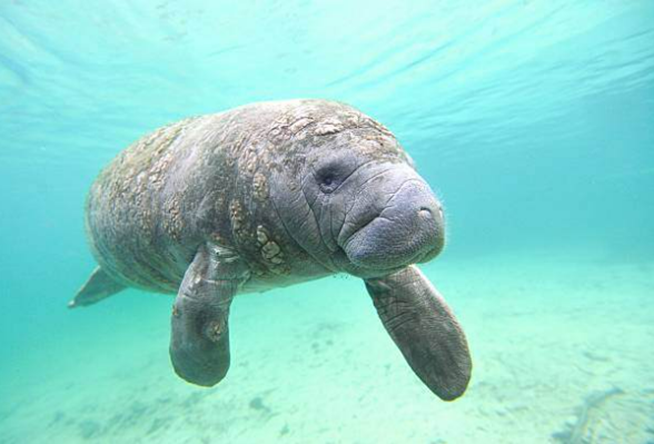
Photo Copyright: Manatee Lagoon FPL Eco-Discovery Center

Many Floridians know these beloved creatures as the “cows of the sea”, but manatees are actually some of the friendliest and awe-inspiring creatures of Florida’s coastal waters. Manatee season typically lasts from November through the end of March in Florida, and this is when many curious residents can expect to see some Manatees nearby or even experience some close encounters with them! However, it is no coincidence that these manatee visits occur during the winter months. When temperatures fall below about 68°F, they begin searching for warm-water refuges where they can stay safe. These refuges include natural freshwater springs, power plant outflows, and other areas where water temperatures remain stable throughout the winter. As warm-water mammals, manatees are especially vulnerable when water temperatures drop during the winter months. Because manatees cannot tolerate prolonged exposure to cold water, they find themselves in this search for a warm winter home.

During cold snaps, manatees often gather in large numbers at these warm-water sites. You might see dozens (or even hundreds!) resting close together, conserving energy and avoiding colder surrounding waters. These gatherings are a natural and essential survival strategy, but they also make manatees more vulnerable to human disturbance. Cold stress is one of the most serious winter threats manatees face. Extended exposure to cold water can lead to cold stress syndrome, which weakens their immune systems and can result in illness or death. Protecting warm-water habitats is critical during the winter season.

Winter is also one of the best times to ethically visit and observe manatees, especially at protected sites focused on conservation and education. Some great options across Florida include:

  1. Blue Spring State Park (located in Orange City). This is one of Florida’s most important winter refuges for manatees, where swimming is closed during manatee season to protect resting animals.
  2. Manatee Lagoon (located in West Palm Beach). Manatee Lagoon is an education center dedicated to manatee conservation with viewing areas and interactive exhibits. The center is located adjacent to a Florida Power and Light Clean Energy Center. The warm-water outflows from this FPL center have become a seasonal favorite of Florida’s manatees!
  3. FWC Manatee Viewing Center (located in Apollo Beach). This is a warm-water outflow site managed for public viewing and education during colder months.
  4. Homosassa Springs Wildlife State Park, which is a natural spring system where manatees often seek refuge in winter.
  5. ZooTampa’s Manatee Critical Care Center is a leading manatee rehabilitation hospital caring for injured and cold-stressed animals and is a great place to visit for local manatee conservation and education.
  6. Clearwater Marine Aquarium is a nonprofit rescue and rehabilitation center that provides medical care to manatees and other marine wildlife.

These locations allow people to learn about manatees while minimizing disturbance to the animals themselves, especially important during cold weather.

There are many other ways to do your part towards local manatee conservation. Whether you’re boating or paddling in winter, slow speeds are essential. Manatees move more slowly in cold water and often rest near the surface. Giving them space, respecting posted signs, and supporting conservation organizations all help reduce stress and injury.

Florida’s winter may be brief, but it’s a critical time for manatees. By protecting warm-water habitats and choosing responsible ways to observe wildlife, we can help ensure these gentle giants survive the season and many winters to come.

The Hidden Tricks behind a Florida Cold Snap

Florida winters usually bring mild mornings, sunny afternoons, and require maybe a light jacket at most. But this winter has felt a bit different. Colder nights, lingering chill, and the occasional shivering moment next to a warm fire. This New Year’s Eve, our community saw lows of 43?F, and those temperatures hung around for a few days! It’s cold stints like this that remind us that Florida isn’t immune to cold weather, just less familiar with it.

These sudden temperature drops are known as cold snaps, and while they don’t last long, they can have noticeable impacts across Florida’s ecosystems. A cold snap happens when a strong cold front pushes south, bringing a brief period of much cooler temperatures, often happening overnight. Unlike northern winters, Florida cold snaps are short-lived, but the rapid change can be stressful for plants, animals, and even people who don’t typically experience such temperature lows. Just a few cold nights can make a big difference here. Tropical and ornamental plants may show cold damage, while native plants are generally better adapted to handle temperature swings. Wildlife can be affected as well with reptiles becoming less active, birds shifting their feeding habits, and manatees seek out warm-water refuges to stay safe. Even farmers, gardeners, and homeowners often feel the effects quickly, especially when freezes threaten crops or landscaping. We experience some of our very own small impacts here at the Sawgrass Nature Center. Many of our animal ambassadors are not adapted to survive these chilly nights. So, some of our animals like a variety of our turtles and tortoises along with our yellow-naped Amazon parrots have to spend the nights inside! Because Florida ecosystems are shaped by warm conditions, even small cold extremes can ripple outward.

Although this can feel out of the ordinary for native Floridians, cold snaps themselves aren’t new to Florida. The state has always experienced occasional bursts of cold air during winter months. What is changing is how unpredictable these weather patterns feel. As climate conditions shift, we may see more variability and extremes on both ends of the temperature spectrum, including unusual cold alongside record heat.

Florida’s ecosystems are resilient, but they rely on balance. Cold snaps highlight the importance of protecting native plants that are adapted to local conditions, preserving habitats that give wildlife places to shelter, and paying attention to seasonal changes, even in a “warm” state like Florida. Sometimes, a chilly morning is more than just an inconvenience, but it’s a reminder that Florida’s environment is dynamic, complex, and worth paying attention to.