
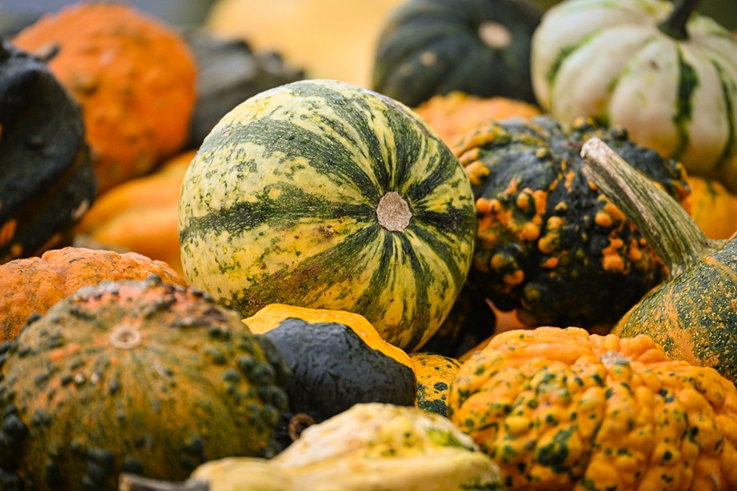
As the air cools and the fall spirit fills the air, one symbol seems to define the autumn season more than any other: the pumpkin! Whether you’re carving a jack-o’-lantern, sipping a pumpkin spice latte, or baking a pie for Thanksgiving, pumpkins are at the heart of autumn celebrations. But before they became a staple of fall decor and seasonal treats, pumpkins had a long and fascinating history rooted deep in the soil of the Americas.
Pumpkins are native to the Western Hemisphere and have been cultivated for thousands of years. The oldest evidence of pumpkin seeds was discovered in Mexico, dating back over 7,000 years. Indigenous peoples across North and Central America grew pumpkins not just for food, but also for storage containers, mats, and tools made from their dried shells. Along with corn and beans, pumpkins formed part of a trio of crops that were grown together and sustained many Native American communities. When European settlers arrived in the 1500s, they quickly adopted pumpkins into their diets. The early colonists learned how to roast pumpkin slices, boil them into stews, and even use them in primitive versions of pie. From those early recipes grew a culinary tradition that would eventually become a staple of American autumns.
Today, it’s hard to imagine Halloween without glowing orange jack-o’-lanterns lighting up doorsteps. This tradition actually began in Ireland, where people carved faces into turnips and potatoes to ward off wandering spirits at the end of harvest season. When Irish immigrants came to America, they found that the native pumpkin was larger, softer, and easier to carve. And thus, the jack-o’-lantern we know today was born. Pumpkins also hold a proud place on the Thanksgiving table, a nod to their role as a staple crop during the first colonial harvests. Over time, pumpkin pie became a classic comfort food that represents abundance, gratitude, and family.
Pumpkins are more than just a seasonal icon; they remind us of the cycles of nature and the importance of local agriculture. When you pick a pumpkin from a nearby farm or cook with fresh, seasonal produce, you’re taking part in a long-standing tradition that connects people, place, and planet. Pumpkins bring communities together, from neighborhood carving contests to harvest festivals, to celebrate the beauty of the natural world as it shifts toward winter.
So, this October, when you see fields of orange stretching across your local pumpkin patch or smell the warm spice of pumpkin pie, take a moment to appreciate how this humble plant became the heartbeat of autumn. The pumpkin’s story is a reminder that even the simplest crops can carry deep roots in both history and heart.