
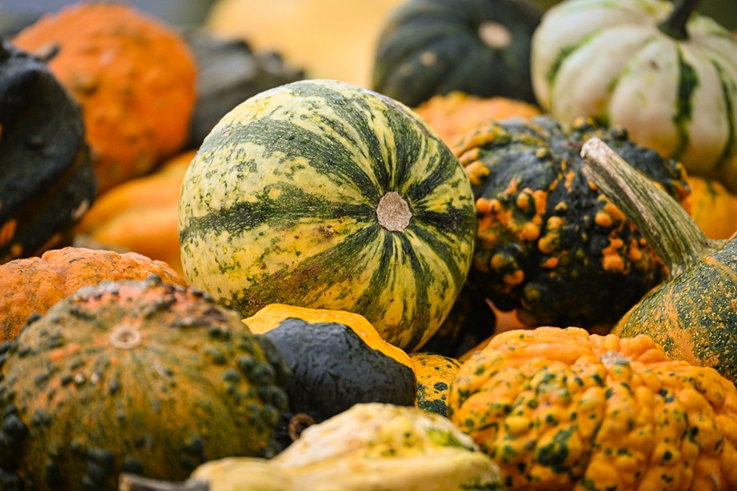
The Heart of Autumn: Pumpkins!

As the air cools and the fall spirit fills the air, one symbol seems to define the autumn season more than any other: the pumpkin! Whether you’re carving a jack-o’-lantern, sipping a pumpkin spice latte, or baking a pie for Thanksgiving, pumpkins are at the heart of autumn celebrations. But before they became a staple of fall decor and seasonal treats, pumpkins had a long and fascinating history rooted deep in the soil of the Americas. 

Pumpkins are native to the Western Hemisphere and have been cultivated for thousands of years. The oldest evidence of pumpkin seeds was discovered in Mexico, dating back over 7,000 years. Indigenous peoples across North and Central America grew pumpkins not just for food, but also for storage containers, mats, and tools made from their dried shells. Along with corn and beans, pumpkins formed part of a trio of crops that were grown together and sustained many Native American communities. When European settlers arrived in the 1500s, they quickly adopted pumpkins into their diets. The early colonists learned how to roast pumpkin slices, boil them into stews, and even use them in primitive versions of pie. From those early recipes grew a culinary tradition that would eventually become a staple of American autumns. 

Today, it’s hard to imagine Halloween without glowing orange jack-o’-lanterns lighting up doorsteps. This tradition actually began in Ireland, where people carved faces into turnips and potatoes to ward off wandering spirits at the end of harvest season. When Irish immigrants came to America, they found that the native pumpkin was larger, softer, and easier to carve. And thus, the jack-o’-lantern we know today was born. Pumpkins also hold a proud place on the Thanksgiving table, a nod to their role as a staple crop during the first colonial harvests. Over time, pumpkin pie became a classic comfort food that represents abundance, gratitude, and family.  

Pumpkins are more than just a seasonal icon; they remind us of the cycles of nature and the importance of local agriculture. When you pick a pumpkin from a nearby farm or cook with fresh, seasonal produce, you’re taking part in a long-standing tradition that connects people, place, and planet. Pumpkins bring communities together, from neighborhood carving contests to harvest festivals, to celebrate the beauty of the natural world as it shifts toward winter. 

So, this October, when you see fields of orange stretching across your local pumpkin patch or smell the warm spice of pumpkin pie, take a moment to appreciate how this humble plant became the heartbeat of autumn. The pumpkin’s story is a reminder that even the simplest crops can carry deep roots in both history and heart. 

Florida Climate Week 2025 and what it means for Coral Springs

This week, from October 6th to 12th, 2025, Florida is coming together for Florida Climate Week, which, for many people, is a time to learn, connect, and take action toward a more sustainable, resilient future. Organized by the VoLo Foundation, this annual statewide initiative brings together scientists, educators, businesses, students, and residents to talk about one of the most pressing challenges we face: climate change. While Climate Week events are happening all across the state in person and online, there’s a special opportunity for us here in Coral Springs to reflect on what we’re already doing, and what more we can do, to protect our community and environment.

Florida Climate Week (FCW) is a free, statewide series of events designed to inspire and empower Floridians to take climate action. From panel discussions on clean energy to ocean cleanups and youth workshops, the week’s goal is to highlight how every person and community has a role in addressing the climate crisis. This year’s theme is “Collaboration for a Resilient Future,”. And while the effects of climate change (rising seas, warmer temperatures, and stronger storms) might feel far away, they’re already shaping life right here in South Florida. That’s why Florida Climate Week is not just a weeklong celebration, but a call to action for all of us.

Coral Springs has already taken meaningful steps to become a greener, more resilient city through many outlets. For over 30 years, the city has maintained The Tree City USA title maintaining an urban community forest program. The Office of Sustainability developed a Sustainability Action Plan and is dedicated to environmental advocacy, through its partnership in the Southeast Florida Regional Climate Change Compact and Cities Forward Initiative – a U.S. State Department initiative led by ICLEI USA, Resilient Cities Catalyst, and Institute of the Americas.

Local environmental groups like the Rotary Community Garden and Food Forest of Coral Springs, Garden Club of Coral Springs, and the Sawgrass Nature Center and Wildlife Hospital help to spread the word on how to be better stewards of our natural world.

While many Florida Climate Week events are virtual, there are also in-person gatherings across Broward County, including cleanups, climate workshops, and educational sessions. You can explore the full schedule and sign up for events through the Florida Climate Week website.

Climate action doesn’t end when the week is over. Every small step adds up to meaningful change. To keep the momentum going year-round, you can join a local green group, reduce single-use plastics, bike, walk, or carpool on your commute, save energy at home, and most importantly, stay informed!

Climate change might seem like a global problem, but its effects are already visible close to home in the form of warmer summers, shifting rainfall, and rising sea levels. These changes influence everything from local wildlife and water quality to property values and storm preparedness. Florida Climate Week reminds us that tackling climate change requires everyone, from city leaders to everyday residents. Coral Springs is already part of that progress, and by continuing to lead with awareness, innovation, and collaboration, we can ensure a brighter, greener future for all. Learn more or register for events at floridaclimateweek.org.