
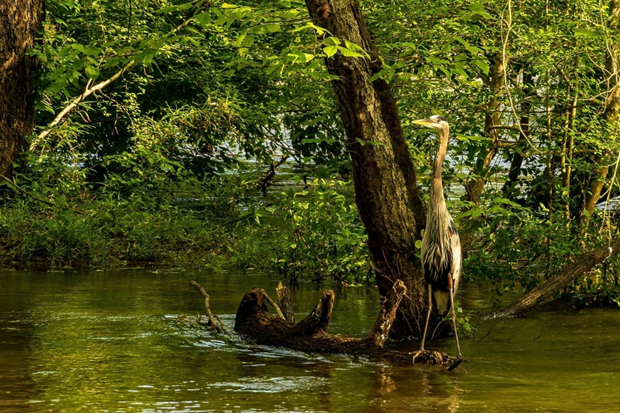
From September 20th to the 27th, we celebrate National Estuaries Week: a chance to shine a spotlight on some of the most unique and important ecosystems on Earth. Estuaries may not always get the same attention as rainforests or coral reefs, but they are just as vital to both nature and people. An estuary is a special place where fresh water from rivers or streams mixes with salt water from the ocean. This constant mixing creates a dynamic environment shaped by tides, currents, and changing salinity levels. Estuaries can also come in different forms. Brackish estuaries are the most common and contain a mix of fresh and salt water. Freshwater estuaries form when rivers flow into large freshwater lakes. Because they exist at the meeting point between land and sea, estuaries are always changing and always teeming with life.
Estuaries are often referred to as the “nurseries of the sea.” That’s because so many fish, shellfish, and other marine species spend their early life stages in these safe, food-rich waters before moving out to the open ocean. But, their importance goes far beyond that. Estuaries are home to countless plants, birds, mammals, and marine species, making them biodiversity hotspots. Wetlands and marshes act as natural filters by trapping pollutants and sediments, improving water quality before it reaches the ocean. Estuaries also offer protection from storms, acting like sponges, buffering communities from floods, erosion, and storm surges. They can also be considered carbon sinks when habitats like marshes, mangroves, and seagrasses store huge amounts of carbon. Estuaries can also help improve the economy. From fisheries and tourism to shipping and recreation, estuaries support millions of jobs and generate billions of dollars each year.
There are many famous estuaries across the U.S., and there may be one closer than you think. Some of the most notable ones include Apalachicola Bay in Florida, Chesapeake Bay spanning six states and Washington, D.C., the Hudson River Estuary in both New York and New Jersey, and Elkhorn Slough in California. Here in Florida, we’re surrounded by estuarine treasures. From the Indian River Lagoon to Biscayne Bay and the St. Lucie Estuary, each provides essential habitat and supports local communities.
Despite their value, estuaries are among the most threatened ecosystems on the planet. Major pressures include things like pollution, habitat loss, climate change, and countless invasive species. However, we can help protect these estuaries in a few different ways:
- Reducing lawn fertilizers and chemicals that wash into waterways.
- Properly disposing of household waste and never dumping down storm drains.
- Planting native vegetation to absorb runoff.
- Joining local cleanup efforts.
- Supporting organizations that restore wetlands, marshes, and seagrasses.
Estuaries may not always make headlines, but they quietly sustain our coasts, our economy, and our way of life. This National Estuaries Week, take a moment to appreciate these “in-between” places where rivers meet the sea. Together, we can make sure estuaries remain healthy, vibrant, and full of life for generations to come.