Celebrating National Estuaries Week: Where Rivers Meet the Sea

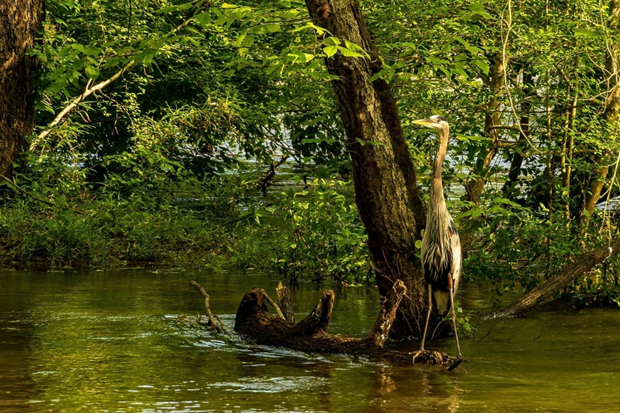
From September 20th to the 27th, we celebrate National Estuaries Week:  a chance to shine a spotlight on some of the most unique and important ecosystems on Earth. Estuaries may not always get the same attention as rainforests or coral reefs, but they are just as vital to both nature and people. An estuary is a special place where fresh water from rivers or streams mixes with salt water from the ocean. This constant mixing creates a dynamic environment shaped by tides, currents, and changing salinity levels. Estuaries can also come in different forms. Brackish estuaries are the most common and contain a mix of fresh and salt water. Freshwater estuaries form when rivers flow into large freshwater lakes. Because they exist at the meeting point between land and sea, estuaries are always changing and always teeming with life.

Estuaries are often referred to as the “nurseries of the sea.” That’s because so many fish, shellfish, and other marine species spend their early life stages in these safe, food-rich waters before moving out to the open ocean. But, their importance goes far beyond that. Estuaries are home to countless plants, birds, mammals, and marine species, making them biodiversity hotspots. Wetlands and marshes act as natural filters by trapping pollutants and sediments, improving water quality before it reaches the ocean. Estuaries also offer protection from storms, acting like sponges, buffering communities from floods, erosion, and storm surges. They can also be considered carbon sinks when habitats like marshes, mangroves, and seagrasses store huge amounts of carbon. Estuaries can also help improve the economy. From fisheries and tourism to shipping and recreation, estuaries support millions of jobs and generate billions of dollars each year.

There are many famous estuaries across the U.S., and there may be one closer than you think. Some of the most notable ones include Apalachicola Bay in Florida, Chesapeake Bay spanning six states and Washington, D.C., the Hudson River Estuary in both New York and New Jersey, and Elkhorn Slough in California. Here in Florida, we’re surrounded by estuarine treasures. From the Indian River Lagoon to Biscayne Bay and the St. Lucie Estuary, each provides essential habitat and supports local communities.

Despite their value, estuaries are among the most threatened ecosystems on the planet. Major pressures include things like pollution, habitat loss, climate change, and countless invasive species. However, we can help protect these estuaries in a few different ways:

  • Reducing lawn fertilizers and chemicals that wash into waterways.
  • Properly disposing of household waste and never dumping down storm drains.
  • Planting native vegetation to absorb runoff.
  • Joining local cleanup efforts.
  • Supporting organizations that restore wetlands, marshes, and seagrasses.

Estuaries may not always make headlines, but they quietly sustain our coasts, our economy, and our way of life. This National Estuaries Week, take a moment to appreciate these “in-between” places where rivers meet the sea. Together, we can make sure estuaries remain healthy, vibrant, and full of life for generations to come.
Honoring Heritage and Nature with Latino Conservation Week

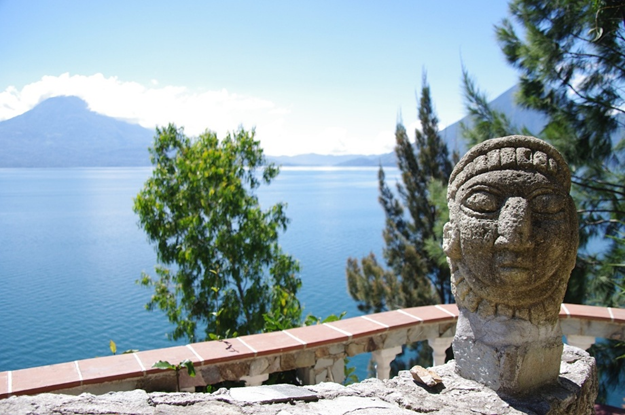
Every year from September 15 to October 15, the United States celebrates Hispanic Heritage Month: a time to honor the histories, cultures, and contributions of Americans whose ancestry comes from Spain, Mexico, the Caribbean, and Central and South America. Nestled within this month is Latino Conservation Week, a celebration that highlights the deep connections between Latino communities and the natural world. Together, these celebrations remind us that heritage and conservation are not separate stories, but intertwined legacies that continue to shape our relationship with the land.

Hispanic Heritage Month began in 1968 as Hispanic Heritage Week, established by President Lyndon B. Johnson. In 1988, it was expanded to a full month under President Ronald Reagan. The start date of September 15th is also significant, being that on that day in 1821, several countries including Costa Rica, El Salvador, Guatemala, Honduras, and Nicaragua all declared independence from Spain. Soon after, Mexico (on September 16th) and Chile (on September 18th) also mark their independence days. Aligning the celebration with these anniversaries ties Hispanic Heritage Month directly to pivotal moments of freedom, identity, and cultural pride.

For many Latino cultures, the relationship with the natural world runs deep. This connection stretches back to many Indigenous traditions across the Americas, where communities lived in balance with the land, cultivating sustainable farming practices, protecting forests and rivers, and embedding respect for nature into their spiritual and cultural life. Family, community, and care for the land are values that continue to shape how many families view the outdoors. Whether through farming, fishing, gardening, or celebrating seasonal festivals, nature has long been a place of nourishment, healing, and

belonging for the Latino community. Simultaneously, the history of colonization, land displacement, and environmental inequities has meant that access to land and green spaces has not always been equal. Yet, their resilience and cultural stewardship continue to thrive, reminding us that conservation is not a new concept in Latino heritage, but a deeply rooted tradition.

Today, Latino voices are essential in the environmental movement. Organizations such as the Hispanic Access Foundation and Latino Outdoors are building community, providing outdoor access, and advocating for policies that protect both the people and the planet. Launched in 2014 by the Hispanic Access Foundation, Latino Conservation Week (LCW) takes place during Hispanic Heritage Month each year. Its mission is simple yet powerful: to engage Latino communities in conservation, recreation, and environmental education. Events include nature hikes, river cleanups, birdwatching outings, educational workshops, and advocacy campaigns, all designed to foster stronger connections with the outdoors. LCW not only celebrates culture but also addresses barriers to outdoor participation. By making conservation welcoming and inclusive, it empowers families, youth, and local leaders to become advocates for the environment.

This month, take time to celebrate Latino heritage and explore opportunities to get involved with conservation in your own community. Whether that means supporting a local event, joining a cleanup, volunteering, or simply learning about Latino-led organizations making a difference, each action strengthens the bond between people and planet. Heritage and nature are both gifts. By celebrating them together, we ensure they continue to flourish for generations to come.

Helpful Resources & Links

Time to Step Outside: The Mental, Physical, and Social Benefits of Being Outdoors 

In today’s busy world, it’s easy to find ourselves spending hours indoors, whether it’s at desks, behind screens, or in the car. But science continues to remind us of something our bodies already know: spending time outside is one of the simplest and most effective ways to improve our health and well-being. Whether it’s a brisk walk in the park, exercising outdoors, or gathering for a community event, nature has measurable benefits for both individuals and communities. 

When we move our bodies outside, the results are powerful. Studies show that regular outdoor activity can lower blood pressure and reduce the risk of heart disease. Even a 30-minute walk outdoors can improve circulation and heart health. Spending time in the sun can strengthen the immune system. Exposure to sunlight increases vitamin D, which supports bone strength and helps the body fight off illness. Getting outside during the day can also improve sleep quality. Natural light helps regulate our internal clock, leading to deeper, more restful sleep. Time in nature can encourage consistent exercise. People who exercise outdoors often stick with it longer, finding more joy in the movement itself. 

The mental health advantages of time spent in green spaces are just as impressive as the physical benefits. Research shows that spending just 20 minutes in nature can reduce stress and anxiety. It significantly lowers cortisol levels, the body’s stress hormone. Time spent outdoors can also sharpen focus and cultivate better memory. Outdoor activities have been linked to improved concentration and cognitive performance, especially in children and young adults. Time in natural environments has been shown to ease symptoms of depression and increase feelings of happiness and well-being. 

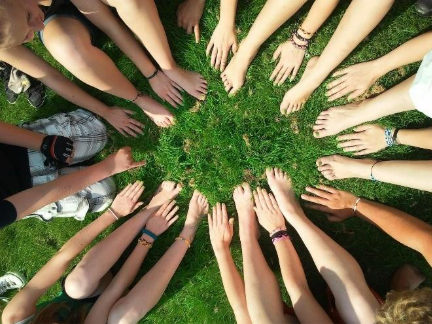
Beyond personal benefits, spending time outside also strengthens our social fabric. Outdoor activities bring people together in ways that are healthy, inclusive, and fun. From fitness classes in the park to guided hikes, community gardening, or festivals, outdoor gatherings encourage stronger social connections. Meeting new people and engaging with neighbors fosters a sense of belonging. Outdoor activities create healthier communities overall. When people move together, share food, or enjoy nature as a group, the benefits ripple outward. Outdoor events are often free or low-cost, giving accessible wellness to all. 

Here at the Sawgrass Nature Center, we believe in the power of nature to transform your health as well as your connection to your community. Our outdoor programs and events are designed to give you the opportunity to breathe fresh air and connect with others, all while reaping the benefits science has confirmed. So, today we encourage you to take a step outside. Notice how your body feels, how your mind clears, and how much brighter the world seems. And when you’re ready, join us at one of our upcoming outdoor events and you might be surprised by how much good a little fresh air can do. 

The Power of Outdoor Environmental Education!

Spending time outdoors isn’t just refreshing, it’s essential. For children especially, outdoor environmental education builds a foundation that can last a lifetime. When young people explore natural spaces, they don’t just learn facts about plants, animals, and ecosystems; they develop curiosity, critical thinking skills, and a sense of stewardship that influences the way they see the world as adults.

Research shows that outdoor learning has a wide range of benefits. It boosts physical health, improves focus and social skills, and strengthens emotional well-being. More importantly, it helps children make personal connections with the environment. When a student observes a butterfly up close, plants seeds in a school garden, or discovers the tracks of a raccoon near a wetland, that experience becomes a memory, and often a turning point, in how they view the natural world. Outdoor education is not just curriculum enhancement, but it’s a cornerstone of cognitive development, mental health, and lifelong environmental stewardship. And the research reveals that!

One study showed that exposure to nature improves attention, academic performance, and problem-solving skills. Students in outdoor programs see up to 27% gains in science mastery (waee.org). Outdoor programs have also been seen to support emotional regulation, prosocial behavior, and stress reduction. 68% of educators observed better behavior after natural play improvements (naturalearning.org). According to naturalearning.org and Frontiers, children with meaningful nature experiences are more likely to become environmentally active adults. Even simple exposure correlates with profound mental health benefits. Children growing up near green space had 55% lower risk of developing psychiatric disorders.

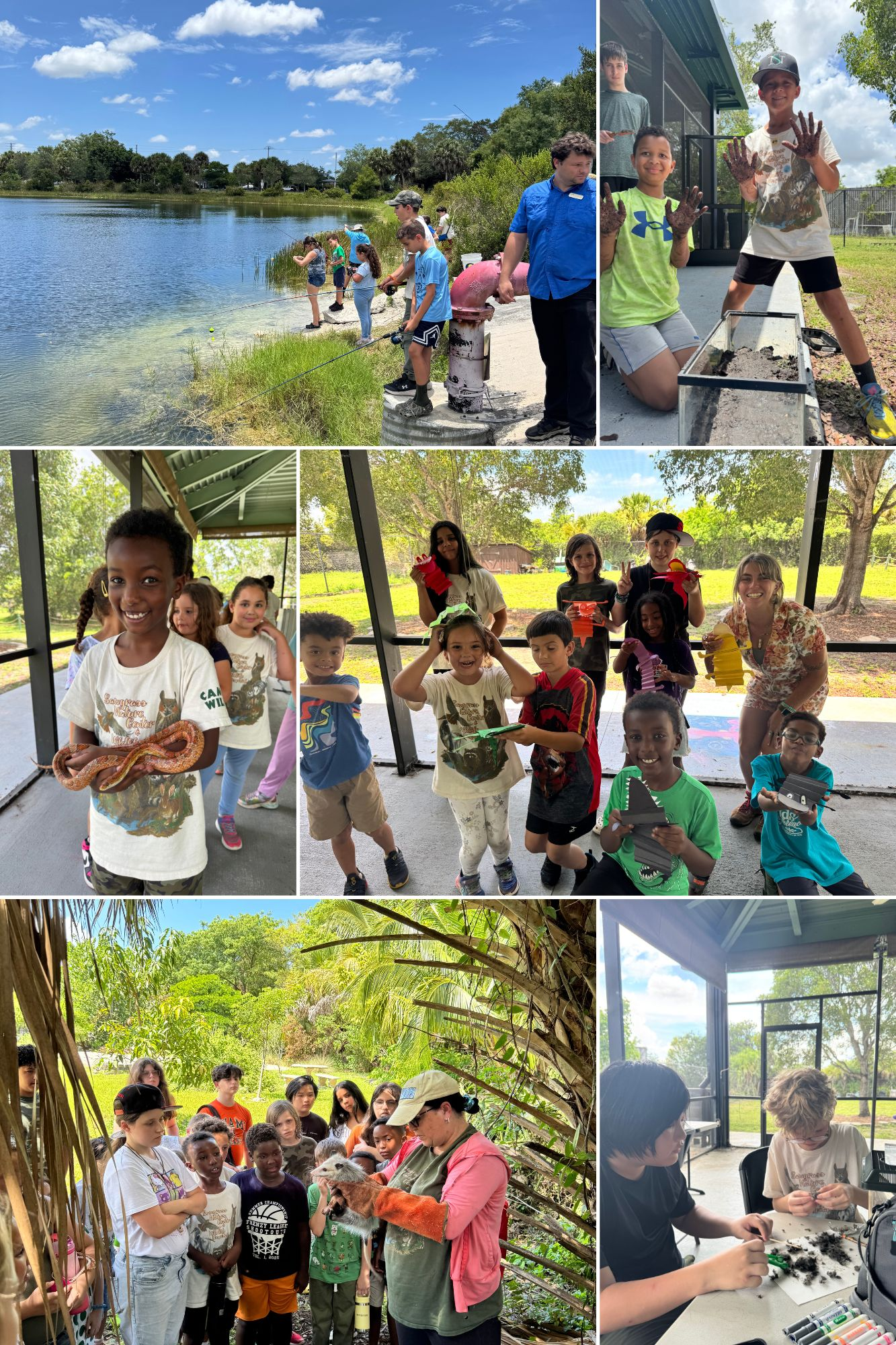
At the Sawgrass Nature Center, we see the value of outdoor environmental education every day. As our own form of environmental education, students are guided through programs that highlight Florida’s native wildlife, their unique adaptations, and the importance of conservation. We host school field trips, offer outdoor nature camps during school breaks, and create opportunities for families to explore nature together. This past summer, our campers got to experience loads of ecology-based lessons and activities. Some of these included trips to the local food forest, the creation of their own nature journals, observing a juvenile opossum release, participating in an ocean acidification experiment, and even dissecting owl pellets! Even a simple self-guided tour of the center

gives visitors a chance to slow down, observe, and learn. These experiences aren’t just fun, but they’re stepping stones toward a more environmentally conscious community.

The lessons children learn outdoors don’t end when the field trip is over or camp comes to a close. They carry forward into adulthood, shaping how people think about their choices, their communities, and their environment. A child who once marveled at a turtle in a pond may grow into an adult who advocates for clean water. A student who planted seeds in a garden may later become a leader in sustainable agriculture or conservation.

Outdoor environmental education matters because it connects us to nature, to each other, and to the responsibility we share in caring for the Earth. Whether it’s planting a tree, volunteering at a local nature center, or simply pausing to notice the clouds drifting overhead, every outdoor learning experience adds to a culture of awareness and stewardship. Together, we can inspire the next generation to build a more sustainable and resilient future.