A Favorite Summer Pastime

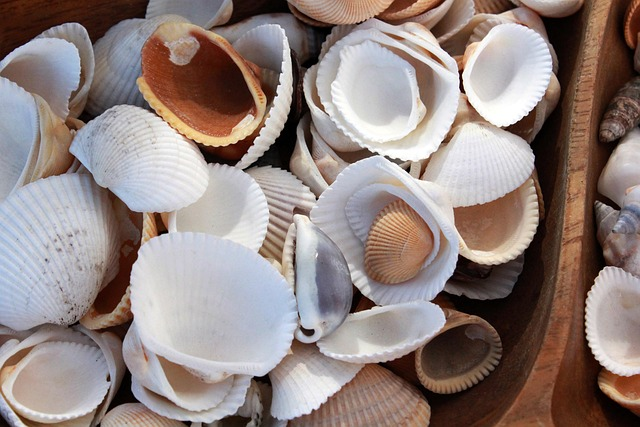
 Every summer, beaches across Florida are crowded with vacationers cooling off from the hot summer temperatures. A time-honored pastime of beachgoers is collecting seashells.  Seashells are made primarily of calcium carbonate, the same substance found in chalk, limestone, mortar, concrete, and some paints. Mollusks—soft-bodied marine animals like snails, clams, and octopuses—extract calcium carbonate from seawater and build their shells layer by layer, much like how trees form rings. This process creates the intricate spiral and fan-like patterns that make seashells both functional and beautiful. 

Shell Shapes and Colors 

Shells come in a wide variety of shapes and styles, such as: 

  • Conch shells – known for their large, spiral form. 
  • Scallop shells – fan-shaped with ridged lines. 
  • Cowries – smooth, glossy, and oval-shaped. 
  • Augers and Turrets – long and slender with tight spirals. 

Their colors are influenced by: 

  • Pigments produced by the mollusk. 
  • Diet (e.g., algae or plankton). 
  • Environmental factors like water temperature and salinity. 
  • Shell structure and genetics. 

Shell Collection and Safety 

Only empty shells should be collected. Shells with living organisms are protected and cannot be sold or taken. Some species are also dangerous to handle: 

  • Conus textile – can sting multiple times with venom. 
  • Conus striatus oahuensis – has the longest stinging barb. 
  • Conus bandanus – another venomous cone snail. 

Fun and Fascinating Facts 

  • Ancient currency: Cowrie shells were used as money in parts of Africa, Asia, and the Pacific Islands. 
  • Right-handed shells: Most seashells spiral to the right (dextral), though rare left-handed (sinistral) shells exist. 
  • Fossil records: Some seashells date back hundreds of millions of years, offering clues about Earth’s history. 
  • Unique DNA: Each mollusk species has its own genetic blueprint that determines shell shape, size, and color. 
  • Natural filters: Some mollusks, like oysters and mussels, help clean ocean water by filtering out pollutants. 
  • Shell reuse: Hermit crabs use discarded shells for protection, often switching as they grow. 
  • Cultural significance: Shells have been used in jewelry, tools, religious rituals, and art across many cultures. 

Florida’s Wild Parrots: A Colorful Legacy with Complicated Consequences

Florida’s vibrant parrot populations—primarily Quaker parrots, ring-necked parakeets, and conures—are a living legacy of the exotic pet trade. Over the decades, escaped or released birds have found a welcoming home in the state’s tropical climate, where they’ve not only survived but thrived.

These highly social and intelligent birds have adapted remarkably well to urban life. They build communal nests in palm trees and utility poles, forage from backyard fruit trees, and flock to bird feeders, adding a splash of color and a chorus of chatter to neighborhoods across the state.

But their presence isn’t without challenges. Parrots compete with native bird species for nesting sites and food, sometimes displacing them. Their large, stick-built nests can damage electrical infrastructure, leading to costly repairs and service disruptions. Additionally, like other wildlife, they can carry and transmit diseases.

While many residents enjoy the spectacle—bright feathers against blue skies and lively calls echoing through city streets—utilities and wildlife managers face a more complex reality, unlike feral cats, which are often managed through coordinated programs, Florida’s parrots are subject to fragmented control efforts. These range from nest removals to ongoing monitoring by researchers trying to understand their ecological impact.

Ultimately, Florida’s parrots are a vivid example of globalization’s unintended consequences and nature’s resilience. They embody a delicate balance between urban wildness and ecological responsibility, reminding us that even beauty can come with a cost.

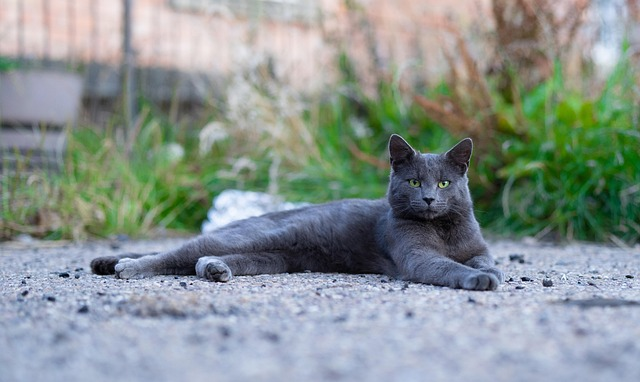
Florida’s Feral Cat Crisis: Balancing Compassion with Conservation

Florida’s growing population of feral and free-roaming cats has evolved from a curious urban feature into a pressing ecological and public health challenge. Fueled by the state’s warm, humid climate—which allows cats to breed and survive outdoors year-round—and human behaviors like abandonment and unregulated feeding, the issue has reached critical mass.

These cats often form colonies, loosely woven into the fabric of urban and suburban ecosystems. While some residents view them as charming neighborhood fixtures, their impact on native wildlife is profound. Outdoor cats are prolific hunters, preying on ground-nesting birds, reptiles, and small mammals. This disrupts local food webs and threatens vulnerable species, some of which are already under pressure from habitat loss.

Beyond ecological concerns, feral cats pose public health risks. They can transmit diseases such as toxoplasmosis, rabies, and parasites like fleas and intestinal worms—affecting both humans and other animals. Animal shelters, overwhelmed by intake numbers, face heartbreaking decisions, with high euthanasia rates and limited resources to implement long-term solutions.

Trap-Neuter-Return (TNR) programs have emerged as the most humane and widely accepted method for managing feral cat populations. These initiatives aim to stabilize colonies by preventing further reproduction, but they require significant funding, volunteer support, and public education to be truly effective.

Unfortunately, Florida’s legislative response remains fragmented. There is no statewide spay/neuter mandate, and policies vary widely between municipalities. This lack of consistency hampers coordinated efforts and leaves many communities without the tools they need to address the crisis.

The abundance of outdoor cats in Florida presents a moral and logistical dilemma: how do we care for individual animals while safeguarding native ecosystems and public health? The answer lies in community-wide collaboration, responsible pet ownership, policy reform, and a shift from passive tolerance to active stewardship.